Leave your leaves: pollinators need winter cover!
To Rake or Not to Rake?
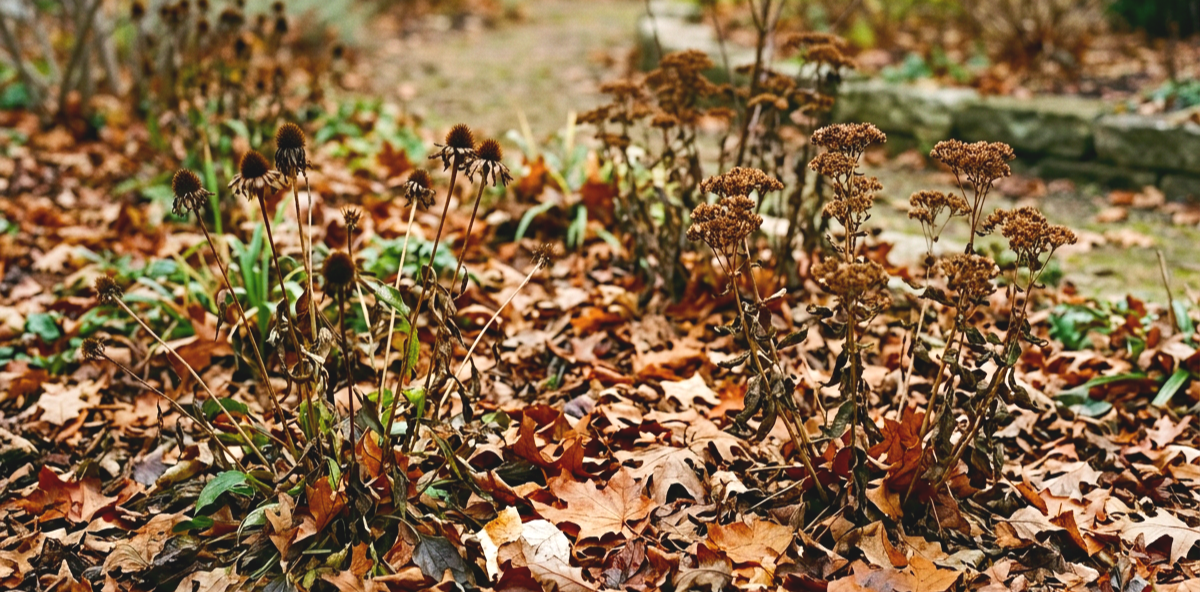
One of the most low effort, impactful things you can do for your garden and local ecosystem is to simply leave the leaves that fall from your trees exactly where they fall. Sure, it can be a difficult pill to swallow as many of us have had it hammered into us that leaves in our garden are messy, but leaf litter is crucial to the survival of moths, butterflies, snails, spiders, and many other invertebrates that pollinate our gardens and keep unwanted garden pests away.
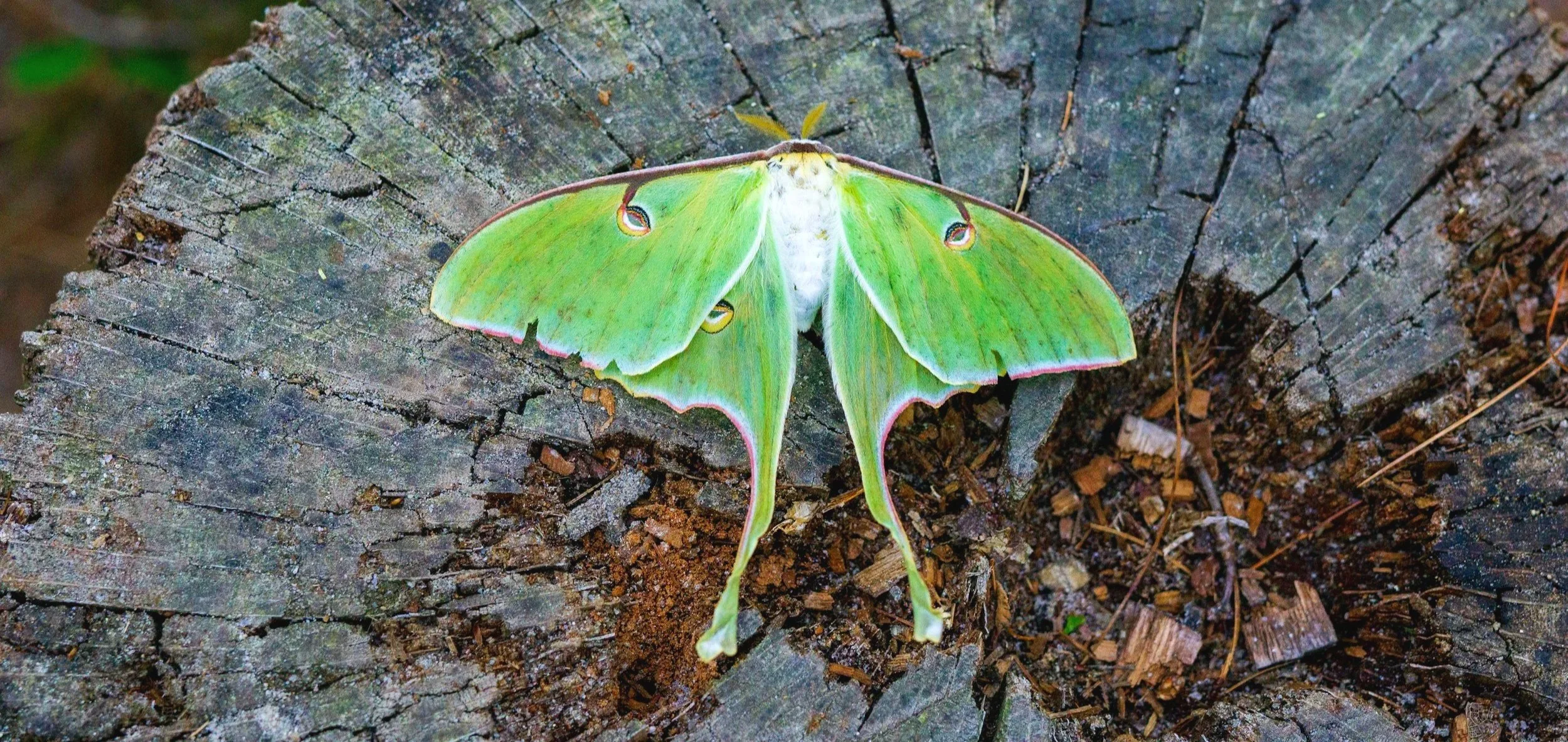
While some butterflies like monarchs migrate to avoid cold winters, most butterflies and moths overwinter using leaf litter as cover. Red-banded hairstreaks, for example, depend on leaf litter for their survival—these butterflies lay their eggs on fallen oak leaves, which become the first food of emerging caterpillars. Luna moths and swallowtail butterflies, common garden favorites, disguise their cocoons and chrysalises as dried leaves in order to blend in with the real ones, and often wrap them in dried leaves. These crunchy sleeping bags keep them camouflaged from predators and keep them warm from the cold winter, but this also means they are easily swept away when we rake our leaves into burn piles or bags to be sent to landfills. While many gardeners opt to shred their leaves in compost piles as a seemingly more environmentally friendly practice than bagging, this process destroys eggs, caterpillars, and chrysalises along with the leaves.
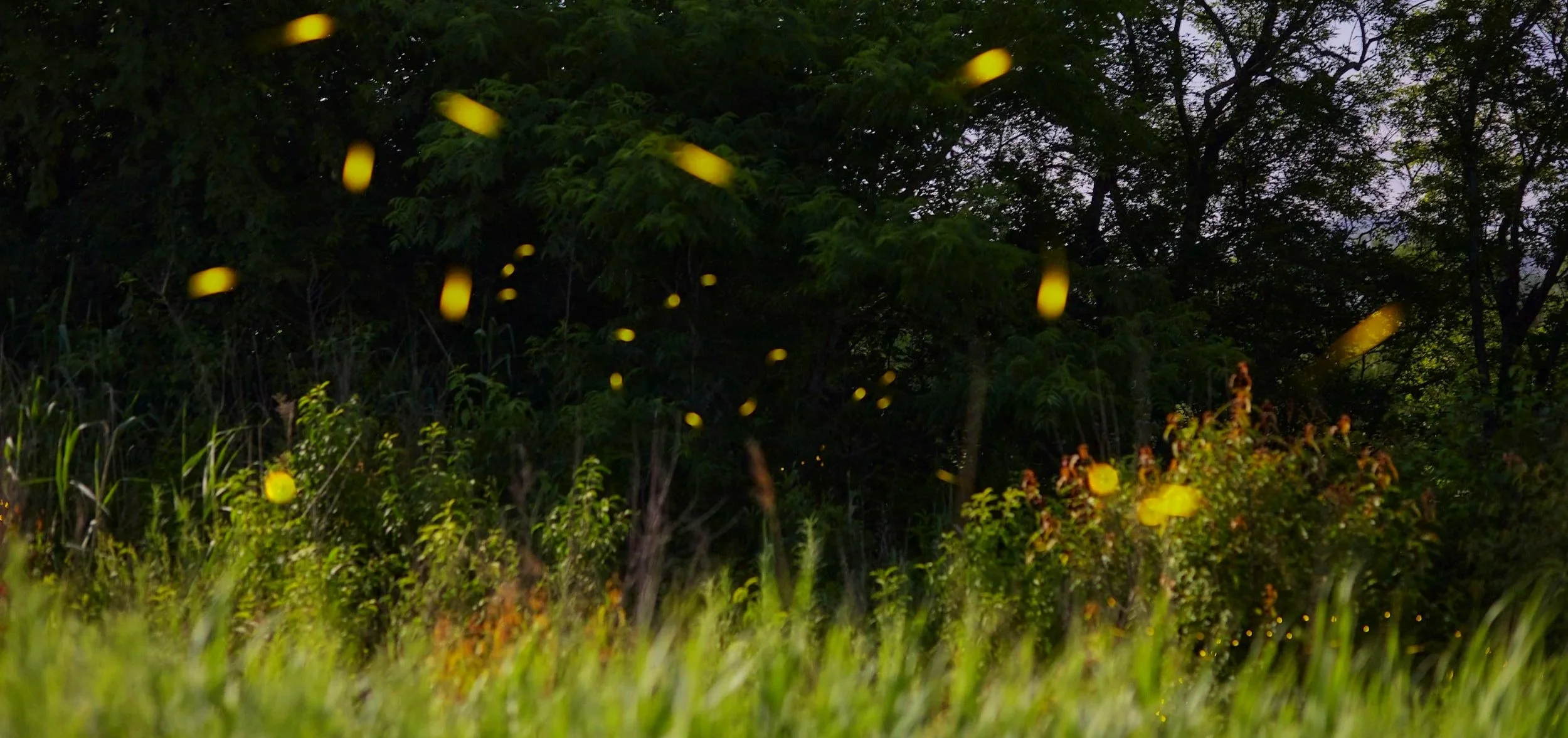
If you love to watch the fireflies light up your evenings in the summer, you might want to leave your leaf litter. Firefly larvae live in leaf litter for 1 to 3 years before becoming adult fireflies! While the adults tend to steal the show, firefly larvae are voracious predators of garden pests as they love to feast on the snails and slugs that can cause significant damage to our gardens in the spring, but without moist leaf litter fireflies cannot make it to adulthood. Many bees also rely on leaf litter for protection: at the end of the summer, a mated queen bumble bee only burrows an inch or two into the earth to hibernate, making her vulnerable to the elements. Leaving a thick layer of leaves ensures that she will be protected from the winter to emerge in the spring and make a new nest. All the other arthropods that live in the leaves, like spiders, snails, worms, beetles, and mites, support our local vertebrate populations as well. Chipmunks, turtles, birds, and amphibians rely on insects for food—songbirds like chickadees, for example, require 6,000–9,000 caterpillars in order to raise a brood of nestlings!
It can be tremendously difficult to change our aesthetic preferences and how we make our space feel welcoming and tidy, so there are options to protect your local wildlife while not having to leave all of the leaves. The first thing to consider is that fallen leaves are simply free mulch, as they suppress weeds, help the soil retain moisture, and break down to cycle more nutrients into the soil just as shredded wood mulch does (and your existing plants will have no difficulty popping through the leaf litter come spring). What better way to complement the aesthetics of a native pollinator garden than a bed of autumn colored fallen leaves? If you really cannot stand the look of the leaves, consider gently raking the leaves to a pile somewhere out of sight. This way our animal neighbors still have a home nearby and can revisit your flowers the following spring. If you do not want to permanently leave your leaves, consider waiting until late spring to give the insects time to emerge.