Sharing Our Yards with North Carolina's State Reptile: The Eastern Box Turtle
How to Create a Safe, Sustainable Haven for Eastern Box Turtles
If you have spotted one or more of these beautiful creatures lumbering around your yard, you are certainly lucky but may not be aware of the best practices to help maintain a safe environment to help them thrive and survive. The Eastern Box Turtle, ( Terrapene carolina carolina), have incredibly tiny home ranges—often spending their entire lives (which can last over 50 years!) within the same few acres of land. That means if you see box turtles in or around your property, the choices you make going forward in your yard and garden maintenance can directly impact generations of turtles.
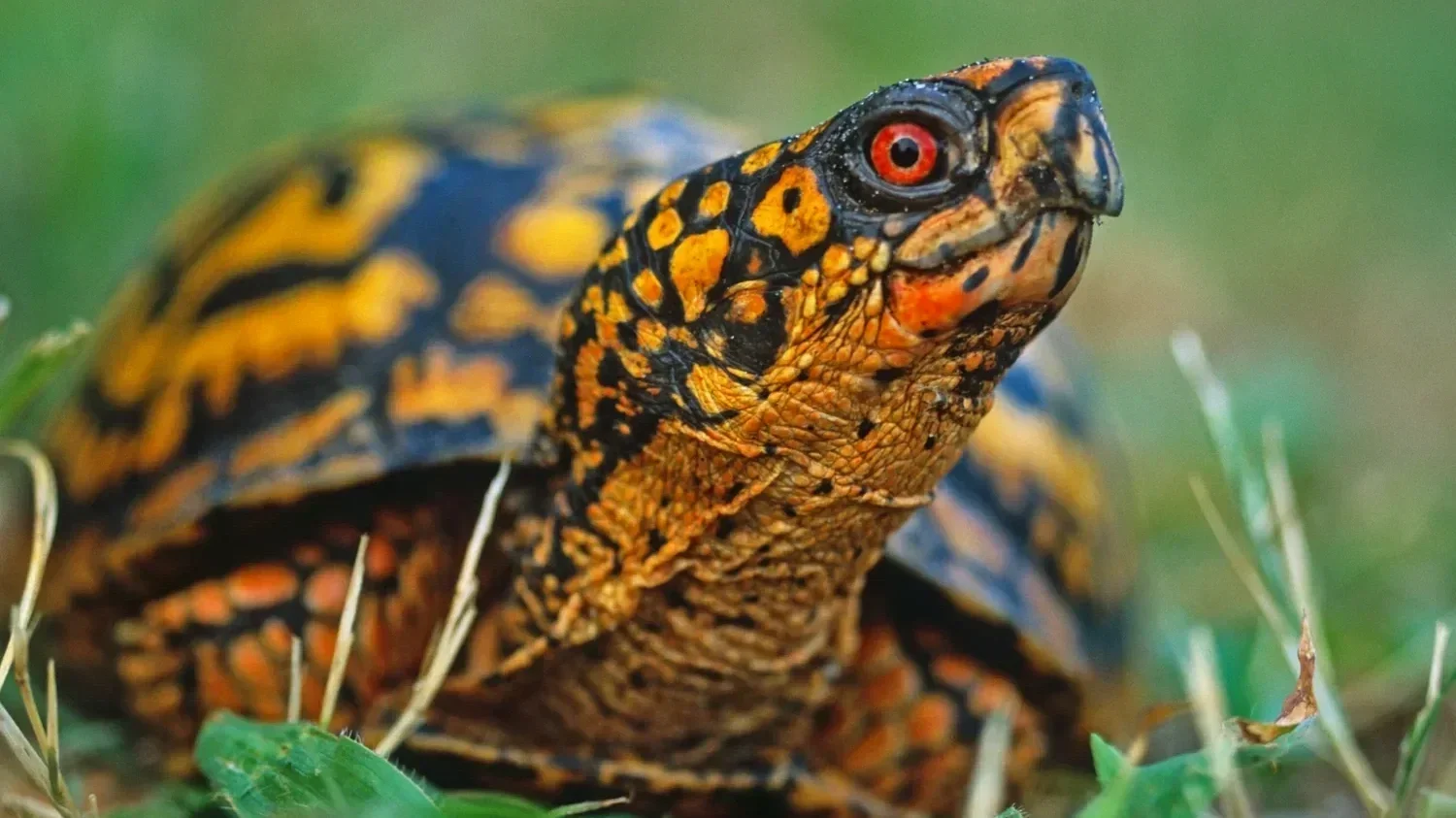
But lets just start off with some fun and interesting facts:
They can completely shut themselves inside their shell. Their bottom shell has a movable hinge that lets them pull in their head, legs, and tail to literally close themselves off from alamost all predetors. That ability is where the name “box turtle” comes from.
They have an amazing built-in GPS. Box turtles usually spend their lives in a relatively small home territory and have a very strong homing instinct. If moved away, they may persistently try to return home. It’s interesting that many other species of turtles have this same “Homing Instinct” as well, articularly many varieties of Sea Turtles who return time and again to the beaches where they first lay their eggs.
Some spend virtually their entire lives in the same little neighborhood. In North Carolina, their territory is often less than two acres. A turtle wandering through a garden may therefore be a longtime resident rather than a visitor passing through.
They can live an extraordinarily long time. Many live for decades, and there are records of box turtles surviving more than 100 years. A turtle in your yard could conceivably have been living there well before you were born.
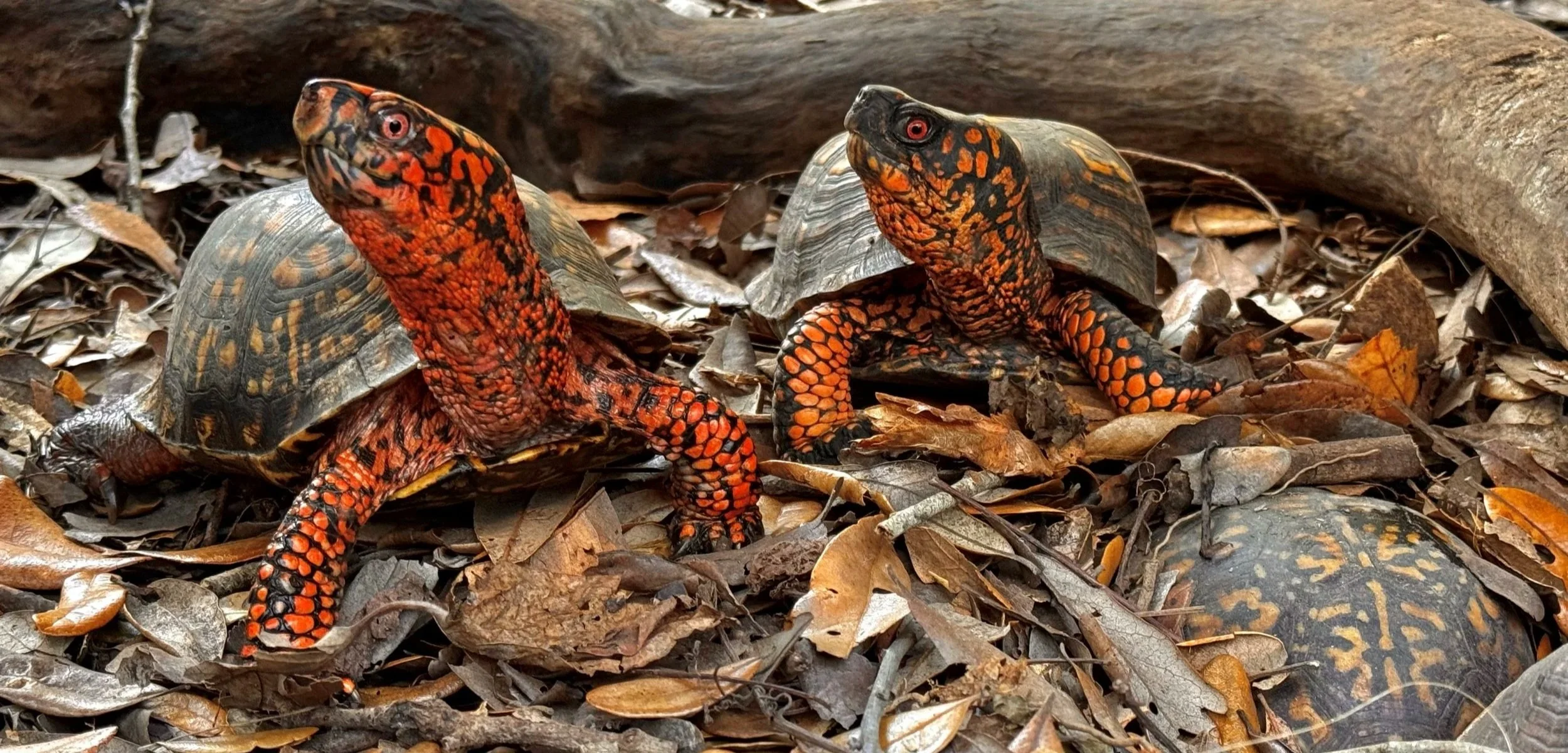
Every turtle has its own “fingerprint.” Their yellow, orange, brown and black shell markings vary tremendously among individuals. Researchers can actually use those unique patterns to help distinguish turtles from one another.
Eye color can give you a clue about their sex. Adult males often have red or orange eyes, while females commonly have brown eyes.
They're adventurous eaters. Box turtles are omnivores and may eat berries, fruit, mushrooms, flowers, seeds, worms, insects, snails, slugs, frogs, carrion and just about any other small creature they can catch.
Rain gets them moving. They're especially active after rain and during damp weather—which is why you often suddenly see box turtles crossing yards and roads after a good rainfall.
They essentially disappear underground for winter. In colder areas they bury themselves in soil or leaf litter and enter brumation, the reptile version of a winter dormant period.
Female box turtles can store sperm for years. A female can retain viable sperm for up to four years, allowing her to produce fertile eggs long after mating. Wowza!
The temperature of the nest helps determine whether babies are male or female. Cooler incubation temperatures tend to produce more males, while warmer temperatures tend to produce more females.
Their shells can actually heal. Turtle shells are living structures, not dead armor. Smithsonian notes a reported case in which a badly burned box turtle's carapace regenerated.
If you help one cross a road, direction matters. Move it only to the other side in the direction it was already traveling. Because of their strong navigation and homing instincts, turning one around or relocating it elsewhere can cause it to try to get back across the road once again endangering itself.
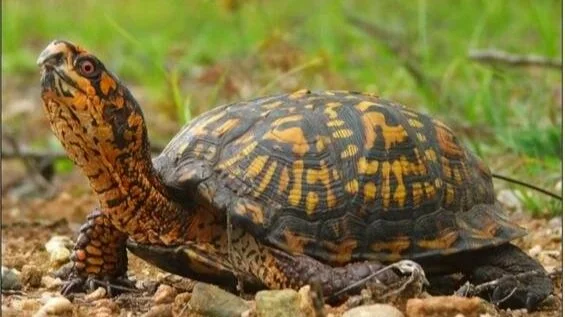
As North Carolina’s state reptile, Eastern Box Turtles are not considered endangered, but are considered “vulnerable”. Some factors that have impacted their populations are habitat loss, road mortality, predators such as racoon and fox, and climate change that may impact their access to water, food sources and shade during dry, hot summer months. that have become more prone to drought periods across our state. As such, our Box Turtles rely heavily on suburban gardeners to survive and continue to reproduce.
Here is a sensible guide to creating a sustainable, safe, and welcoming sanctuary for our Box Turtles year-round, with a special focus on native plants and winter protection.
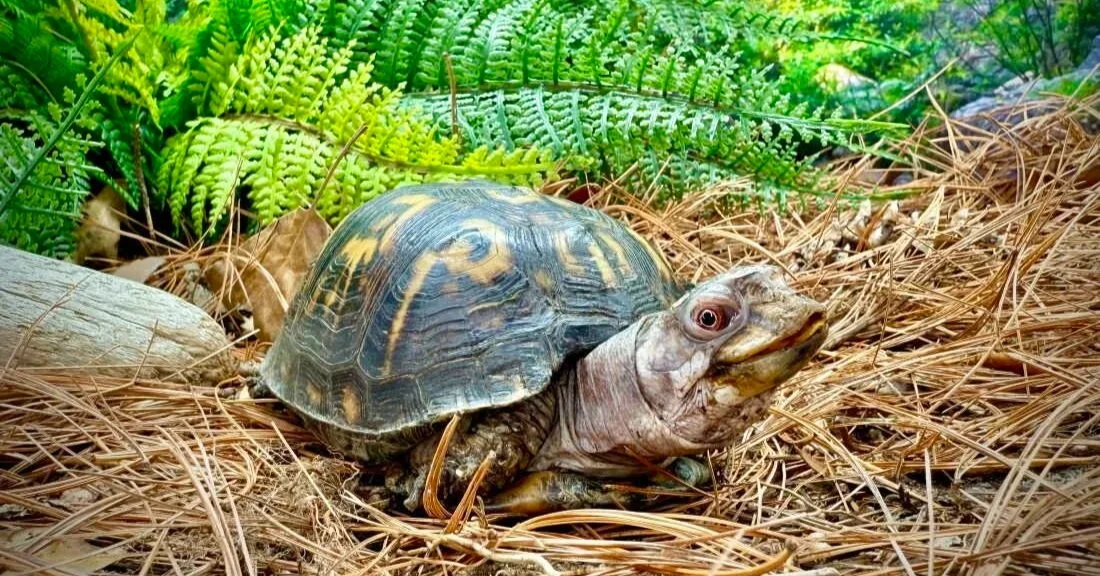
Re-creating a “Forrest Floor” Habitat with Native Shade Plants
Box turtles are reptiles, which means they cannot regulate their own body temperature. They need layers of vegetation to escape the summer heat, hide from predators, and find food. When designing or re-thinking your garden, it is best to try and mimic a natural forest floor using some of these suggested NC Piedmont natives:
Shrubs for Dense Cover and Foraging
Highbush Blueberry (Vaccinium corymbosum) & Blackberries (Rubus spp.): Turtles adore fallen berries. These thick shrubs also provide excellent low-to-the-ground camouflage.
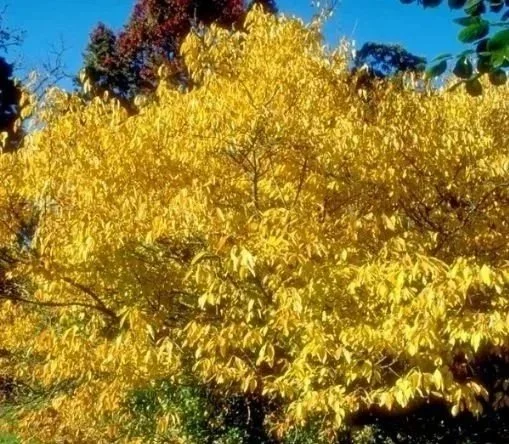
Spicebush (Lindera benzoin) : A native shrub that does well in part-sun and moister soil conditions, it also produces fruit in late summer/ early fall. An extra bonus is that it is a host for larvae of the Spicebush Swallowtail which adds to the support of pollinators in your garden.
Arrowwood Viburnum (Viburnum dentatum): This NC native provides a dense structure and clusters of dark blue berries that attract the types of insects that turtles love to eat.
Perennials & Groundcovers for Shade
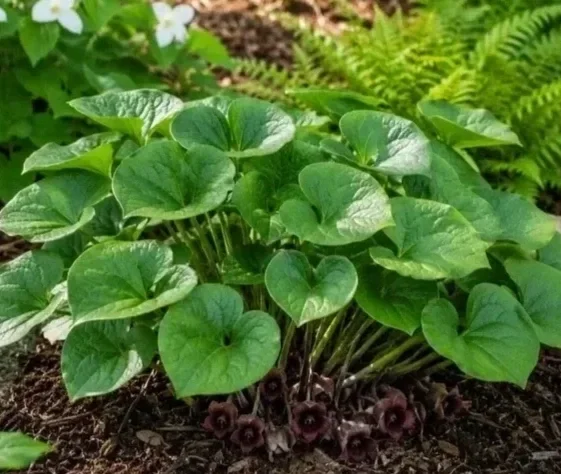
Wild Ginger (Asarum canadense): A beautiful, low-growing groundcover that creates a cool, moist microclimate perfect for a turtle to hunker down under on hot summer afternoons.
Christmas Fern (Polystichum acrostichoides): These Native Evergreen ferns offer year-round shelter and structure close to the soil.
Wild Strawberry (Fragaria virginiana): Easy to grow, prolific and provides one of the Box Turtle’s favorite food sources. Box turtles will happily munch on the low-hanging fruit and utilize the dense leaf cover for cooling.
Mayapple (Podophyllum peltatum): These sweet plants look like little umbrellas when they pop up in spring. In mid summer their white blooms become a fruit that box turtles adore. In fact mayapple seeds that have passed through a box turtle’s gut are far more likely to germinate. If you take the time to lay on your side and look under a mayapple “forest” in spring, you will be delighted by what you see.
The Critical Countdown: Winter Brumation
As temperatures start to drop in October and November, box turtles enter a state called brumation (think of it as reptile hibernation). Since Eastern Box Turtles enter Brumation as their body temperatures drop with the fall season into the winter months, they will seek protection to overwinter in peace. It is important to be aware, however, since Brumation is not complete Hibernation, they will sometimes still stir during possible warmer periods. In our area of the Piedmont, NC the soil is often dense, heavy red clay, which makes it incredibly difficult for turtles to dig deep enough to escape the frost line.
To help them better find shelter out of the way of high traffic areas and pets, follow a few basic tips to create a turtle “Hibernation Hotel” in your yard.
Loosen the Soil: Create dedicated "turtle mounds" by mixing your native clay with organic compost, peat moss, and sand. Keep it 10 to 12 inches deep so they can easily burrow downwards.
Pick High Ground: Ensure these burrowing zones are located on high ground that doesn’t flood. Waterlogged soil can freeze or drown a sleeping turtle.
Leave the Leaves: Keep a thick layer (4 to 6 inches) of loose leaf litter over your garden beds. Oak leaves are particularly fantastic because they don't mat down easily, creating perfect air pockets and insulation although most any loose leaves will do.
Build a Brush Pile: Layer logs, fallen branches, and pine cones over loose soil, packing the center with dry leaves. This naturally traps heat and creates a safe microclimate for turtles.
Essential Garden Safeguards for Turtle Safety
Creating the habitat is only part of what can help keep turtles safe, as we also have to make sure our gardening habits don’t accidentally harm them.
Do a quick "Turtle Walk" before you mow: Lawnmowers and weed trimmers are among the biggest threats to Eastern Box Turtles that may be residing in our yards. Before you start up your mower, or string trimmer, (especially in the spring when they begin to emerge, and late fall when they travel to find winter spots), do a quick walk-through of your lawn and property to check for hidden shells.
Go Completely Chemical-Free: At Birch Meadow Garden Care, we highly recommend going chemical free for the health of your own little Biosphere that is your property area by eliminating synthetic pesticides, herbicides, and chemical fertilizers. Eastern box turtles have highly permeable skin, especially while burrowing, and these harmful chemicals can get into their system and make them sick. Even more importantly, these chemicals kill off the slugs, earthworms, beetles, and wild mushrooms that help make up the bulk of their diet. If not completely chemical free, try to avoid all around where you might observe an existing turtle refuge, or when you create your own.
Manage Your Pets: If you have dogs that love to dig, consider fencing off your dedicated turtle habitat. A simple, small fencing border 8-12” high and/or the built up log and stick habitat will help keep curious pups out while keeping turtles safely inside their sanctuary.
Provide Safe Hydration: Turtles need water to rehydrate but can easily drown in deep pools. Place a shallow, inverted terracotta plant saucer level with the ground. Keep it filled with fresh water and add a few flat stones so they can easily climb in and out.
Final Thoughts: The Joy of Slow and Sustainable Gardening with Nature
Creating a turtle-friendly yard requires us to lean into ecological gardening which can look a little messier than what we are used to, particularly in the fall and winter months. By leaving the leaves, building brush piles, and allowing native groundcovers to wander, you aren’t just saving a turtle—you are restoring a piece of the native Piedmont ecosystem. Keep your eyes on the ground this season; you might just catch a glimpse of your new, long-lived neighbors thanking you!