What to Plant in the Fall months in the NC Piedmont
Fall Is for Planting!
Most people think that Spring Season is the main time for planting your gardens and landscape, as well as doing many other projects around your property. After all, the local garden centers are overflowing with plants, and advertising is running heavy on all the plants to be planted and projects to be done because, finally…”Spring has Sprung!”
A lot of that excitement and hype is justified. However, if you're thinking about adding plants to your landscape, improving your soil quality, and maybe converting some grass areas into gardens, fall is one of the best, (and often most overlooked), times of the year to do that here in our service area of Hillsborough, Carrboro, Chapel Hill, and West Durham.
Why Fall Is the Best Time to Plant
🌱 Warm Soil + Cool Air = Happy Roots
One of the biggest reasons that fall is a great time for planting is that after the heat of summer begins to dissipate, the soil in our area still remains warm while air temperatures begin to cool, especially in the evenings. The combination of cool air and warm soil encourages newly planted perennials, shrubs, and trees to spend the fall and winter establishing their roots rather than their leaves. Fall planting gives plants several months to establish their roots and adapt to the surrounding soil/landscape before the heat of summer tests them. Stronger roots mean stronger plants that are able to better endure our region’s Summer heat, humidity, and frequent drought conditions.
Here are some of the reasons it makes sense:
💧 Less Heat Stress
Newly planted plants lose less water through their leaves when temperatures are cooler. That means they generally experience less transplant stress than plants installed during the heat of late spring or summer, and have a better opportunity to put energy towards their root development.
🌧️ More Favorable Moisture
Fall and winter months often bring more rainfall. The water from the rain also doesn’t evaporate back up into the clouds as quickly when it is cooler. Remember that newly installed plants still need supplemental water when rainfall is insufficient (less than about one inch per week).
☀️ A Head Start on Summer
This may be the biggest reason to plant in fall.
A plant installed in Fall begins the warm growing season already rooted into its new home. Just like almost any living thing, it is best to have as much time as possible to adapt to any new environment and encounter as little stress as possible while setting down new roots.
🌿 An Excellent Time for Trees & Shrubs
Fall is particularly valuable for woody plants, not only for the reasons above, but because of the “Dormancy Advantage”. As newly planted Trees and Shrubs enter dormancy over winter, they conserve energy allowing for better growth in spring. While this is true for perennials as well, Shrubs and young trees tend to need more of this advantage due to larger root systems.
SEPTEMBER: Transition Into Fall
September is still a relatively warm month in the Piedmont, so we don't consider it to be the biggest planting month of the Fall season. Instead, think of September as the transition month from summer gardening into fall planting, and a month of planning to better prepare for the biggest months of fall planting: October and November.
Focus on:
🌸 Perennials
As temperatures begin to moderate, September is a good time to begin planting hardy perennials, particularly native and pollinator-friendly plants.
Good choices for our area that tend to be more drought tolerant and excellent choices for pollinators are:
Coneflower
Black-eyed Susan
Mountain mint
Asters
Goldenrod
Coreopsis
Bee balm
Blazing star
Be sure to monitor any newly planted perennials and water deeply as needed.
🌿 Smaller Shrubs & Groundcovers
September can also be a good time to establish container-grown shrubs and groundcovers, provided you're prepared to water them during dry periods.
🥬 Fall Vegetable Garden
Get started on your cool season vegetable plantings now if you haven't already.
Plant as Transplants (September)
Buy young plants (starts) or use previously started seedlings for slower growing crops that need a head start to mature before experiencing potential hard freezes:
Broccoli (matures before late fall/Thanksgiving if planted early-to-mid September)
Cabbage
Cauliflower
Brussels sprouts
Swiss Chard (can also be seeded, but transplants give a faster harvest)
Direct Sow by Seed (September)
Plant these directly in the garden soil because they germinate quickly in warm September soil which then enables them to better thrive once cooler temperatures come in.
Root Vegetables: Radishes, turnips, beets, and carrots (be sure to sow carrots and beets early-to-mid September for fall/winter harvest).
Salad & Leafy Greens: Lettuce varieties (such as leaf and butter), spinach, arugula, mustard greens, kale, collards, and Asian greens.
Herbs: Chives, cilantro and Dill all do well in cooler temperatures and tolerate some light frost.
🌱 Prepare for Fall Seeding
September is a good time to prepare beds for fall sowing of native wildflowers and other plants that benefit from winter conditions. You should wait until mid to late October to sow those seeds, but it’s better to plan ahead and prepare your beds several weeks before you want to sow.
OCTOBER: The Prime Planting Month
If September is the transition, the month of October is the Star of the show for Planting. Cooler temperatures make it easier on newly planted plants while the soil is still warm enough to encourage root development.
Focus on:
🌸 Native Perennials
October is an excellent month to expand perennial beds and pollinator gardens including all the native perennials listed above under September, but also native Grasses. Pink Muhly Grass, Little Bluestem, and Switchgrass are some of our favorite native ornamental grasses to plant this month.
🌿 Shrubs
October is an especially good month for establishing native shrubs such as:
Oakleaf hydrangea
Beautyberry
Virginia sweetspire
Spicebush
Winterberry
Serviceberry
Viburnums
Inkberry
🌳 Trees
This month is an excellent time to plant many landscape trees, especially once the worst of the summer has passed. Again, be sure to monitor watering!
Consider native trees such as:
Eastern redbud
Flowering dogwood
Black gum
White oak
American holly
Serviceberry
The key is always to plant the right plant in the right place. When planting trees in particular, consider mature size, sunlight, drainage, soil type and available space before planting.
🍓 Berry Plants
October is also a good time to establish many berry-producing plants, including:
Blueberries
Blackberries
Strawberries
Blueberries are particularly well suited to our service area landscape, but they require acidic soil, so soil testing and proper preparation should come before planting.
🌱 Native Seeds
October and November are excellent months for sowing many native wildflower seeds. Some native species benefit from natural winter chilling before they germinate. Prepare soil and broadcast seeds then rake them in and water once to help them settle into the soil. Let the late fall and winter do its magic, then look out for germination come spring.
NOVEMBER: Trees, Shrubs, Fruit & Bulbs
By November, fall planting shifts toward the plants that benefit most from cooler conditions.
Focus on:
🌳 Trees
November is an excellent time to plant:
Shade trees
Native trees
Ornamental trees
Evergreen trees
Fruit trees
The cooler weather reduces transplant stress, while roots can continue establishing before spring growth begins.
🌿 Shrubs
Continue to plant native and ornamental shrubs now to give them plenty of time to establish before next summer.
🍎 Fruit Trees
November is particularly well suited to planting fruit trees and other dormant woody plants.
Good Piedmont choices include:
Figs
Persimmons
Plums
Pawpaws
Jujube
Mulberry
Not all fruit trees are equally easy to grow. Figs, persimmons and pawpaws are generally more forgiving choices and easier to grow so ideal for a lower-maintenance edible landscape. Peaches, plums and apples require considerably more attention to pruning, pests and disease management.
🫐 Blueberries & Blackberries
Continue planting berry-producing shrubs in November, particularly blueberries and blackberries. For blueberries in particular, remember that soil testing and preparation are important as they need acidic, well-drained soil.
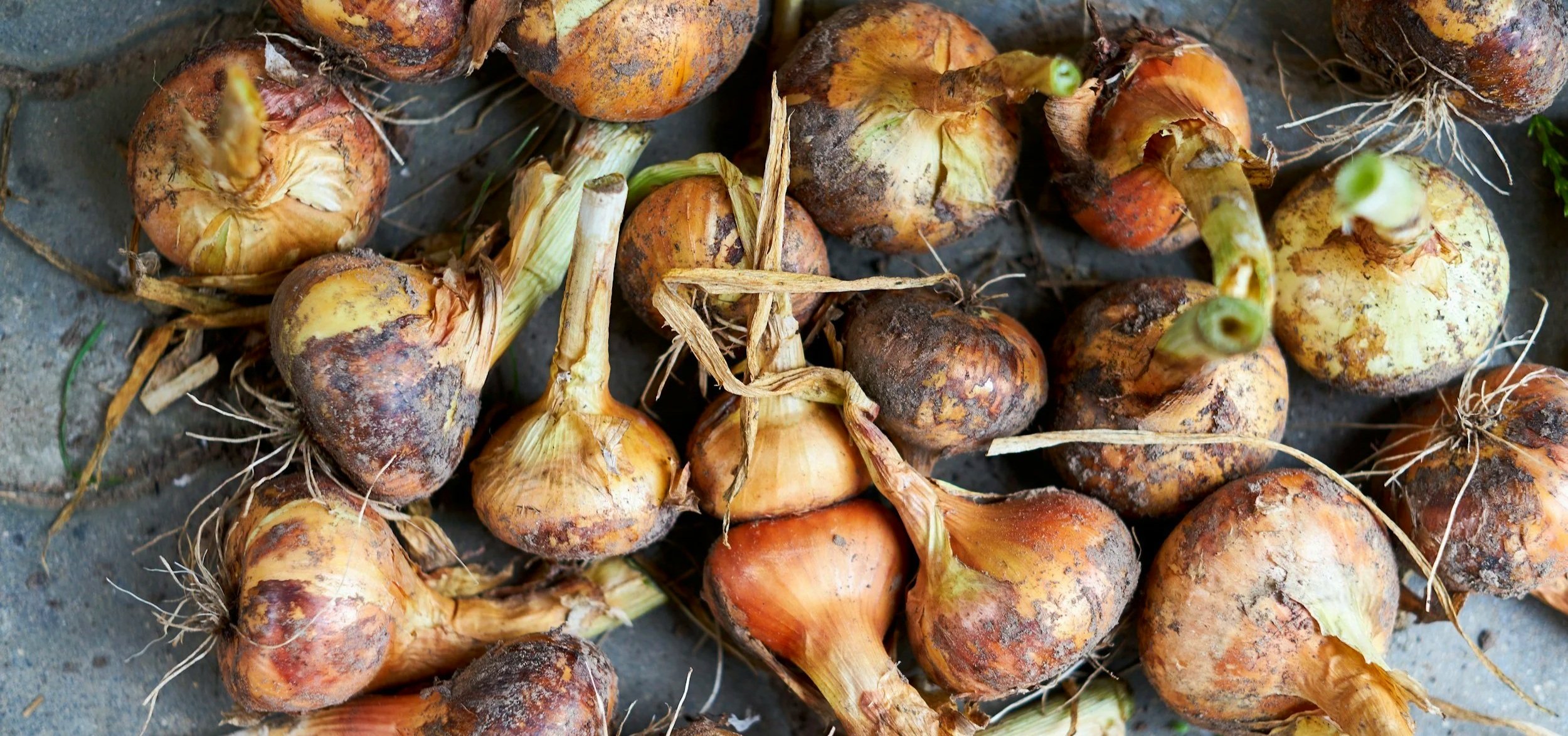
🌷 Spring-Flowering Bulbs
As far as flowering bulbs go, November is the month to think about next spring’s blooms
Plant:
Daffodils
Crocuses
Alliums
Hyacinths
Camassia
Tulips, (in our area treated as Annuals because of the hot summers)
Don't rush spring bulbs into warm soil in the fall. NC State recommends waiting until soil temperatures fall below about 60°F. This makes late November and early December ideal for planting bulbs in the Piedmont area.
A Few Fall Planting Rules to Remember
Regardless of the month, successful fall planting comes down to a few basics:
Choose the right plant for the area where you are planting.
Consider sun, soil, drainage, mature size and spacing, as well as moisture requirements.
Plant before the ground becomes too cold and wet.
Think of the Fall months as the best window for planting, but not necessarily the deadline. There's always spring!
Water newly planted plants.
Cooler weather doesn't necessarily eliminate the need for watering. Less watering is usually required, but you should still keep an eye on how much rain we’ve had until temperatures drop below 50 and stay there most of the time.
Mulch, but don't pile it against trunks or stems.
A 2 inch layer of mulch helps conserve moisture and moderate soil temperatures. If you have trees, the leaf mulch that occurs naturally in your landscape is the very best mulch you can use.
Don't fertilize when planting
Fertilizing in the fall can lead to a flush of new growth that won't have time to harden off before freezing temperatures. Wait until spring to fertilize after roots have had time to establish and your plants are ready for their spring flush of growth.
Give trees, shrubs and perennials room to mature.
That small nursery plant may eventually be much, much larger than you expect! Make sure you check on its expected adult size and give it plenty of room to take up all of the space it will need.
Dig wide, and not too deep
Dig the hole 2-3 times wider than the root ball but keep the root ball even or just slightly elevated above the surrounding soil. Before planting, trim any roots that are not pointing out from the center of the root ball using a sharp pair of garden scissors. It’s very important to snip any roots that are wrapped around in a circular growth pattern or bunched up at the bottom of the pot. Don’t be afraid to cut the roots if your scissors are sharp. Your plant will appreciate the pruning and be much healthier for it. Gently separate remaining roots for better growth.
Water Deeply
Provide a thorough gentle soaking right after planting and water regularly as needed until the first hard freeze occurs. Aim for about an inch of water per week from rain or supplemental watering.
It’s Not Over….It’s Just Begun!
Remember, Fall is not the end of the gardening season, but rather the beginning for some cool weather vegetables, and definitely the beginning of next year's gardens. The beauty of fall planting is that much of the work happens quietly beneath the soil. While the garden above the ground is slowing down, new roots are settling in and expanding.
By the time spring arrives, those fall planted plants aren't starting from scratch, but have already begun establishing themselves in their new home. And when the NC Piedmont heat, humidity and drought conditions arrive next summer, they'll be better prepared to handle it all.