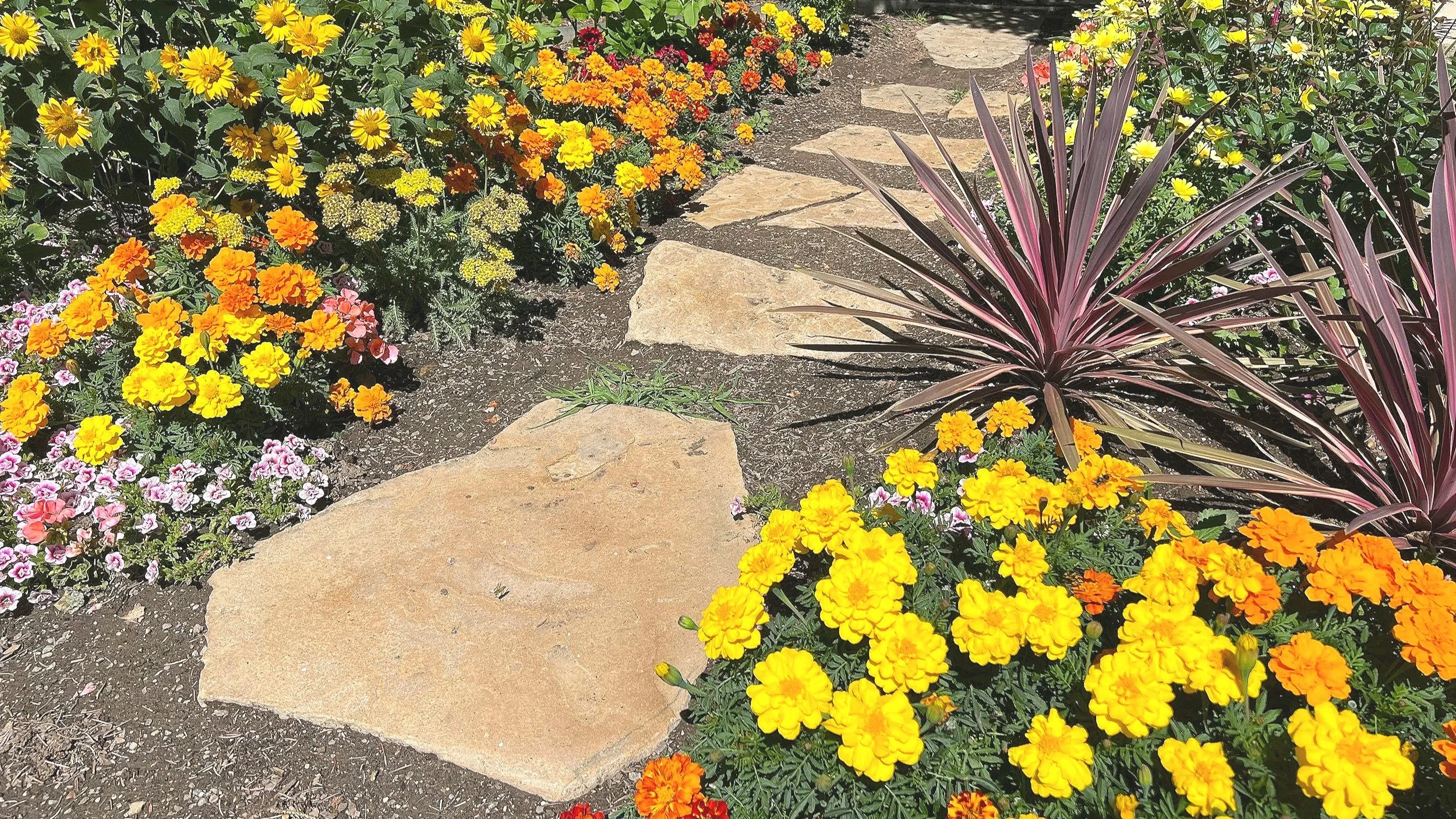
Xeriscaping: It's not what you think!
What is Xeriscaping?
Even if you are somewhat familiar with the term “xeriscaping”, you may not fully comprehend its definition or purpose. Many people think that the word means “zero scaping” with the concept of just having a landscape full of pebbles, rock, and maybe a few scattered cacti as often seen in landscapes throughout the Southwest. In fact, the word itself is a combination of the Greek word “xeri” which means “dry” with part of the word “landscaping”. As anyone who lives in our garden service area of Hillsborough, Carrboro, Chapel Hill or Durham knows, we have been living through the driest growing season on record in the past 130 years.
In our area, xeriscaping simply means designing your landscape to use water wisely. It's also about choosing plants that naturally thrive in the Piedmont region, improving the typical “Carolina clay” soil so it holds moisture longer, and creating a garden that's both beautiful and resilient—even during the hottest, driest weeks of summer.
As we've experienced in recent years, summer weather has become less predictable. Long stretches without rain followed by heavy thunderstorms and downpours can leave many landscapes struggling. A water-wise garden is one of the best ways to prepare for those changing conditions while reducing maintenance and supporting local wildlife.
THE SEVEN MAIN PRINCIPLES OF XERISCAPING
1. Thoughtful Planning and Design
Good xeriscaping starts with careful planning for overall design and symbiosis while developing a plan to start converting areas utilizing plants that are drought tolerant.
Evaluate sun and shade patterns for the landscape or garden
Note drainage, slopes, and existing soil conditions in areas to convert.
Group plants with similar water needs into “zones” within the current landscape
Minimize or eliminate altogether areas of high-maintenance and thirsty turfgrass
Assess ways to capture and direct rainwater where it can benefit plants using methods like rainbarrels, rain gardens, swales and french drains.
2. Improve the Soil for Non-native Species
Healthy, well amended soil acts like a sponge, storing moisture for plants between rainfall.
Where possible, till in compost to improve soil structure.
Increase biological activity with quality organic matter and worm castings
Improve both drainage and water retention by continually top dressing with compost
Avoid tilling once beds are established.

3. Choose Appropriate Plants
Selecting drought tolerant plants that are already adapted to local conditions is one of the most important water-saving strategies. Not only can you save water, choosing appropriate plants for your soil conditions means less time spent amending and improving the soil to suit your plants. There are native plants that thrive in almost every soil, moisture and sunlight combination.
Prioritize:
Native plants
Drought-tolerant perennials
Deep-rooted shrubs
Heat-tolerant ornamental grasses
Trees suited to local conditions
Here at Birch Meadow, we highly recommend utilizing native plants that have spent thousands of years adapting to the North Carolina Piedmont Region’s heat, humidity, changing rainfall patterns, and local wildlife. Once established, most natives require very little supplemental watering and no soil amendments while also providing nectar, pollen, seeds, and shelter for birds and pollinators that help to maintain a healthy eco-system.
Some of our favorite drought-tolerant natives include:
Purple Coneflower (Echinacea purpurea) Drought tolerant, easily re-seeds, and attracts pollinators.
Butterfly Milkweed (Asclepias tuberosa) Beautiful orange blooms that love heat and dry soil as well as a popular host Monarch Butterflies in particular.
Mountain Mint (Pycnanthemum muticum) Deer and drought resistant, long blooming fragrant flowers that attract pollinators.
Black-eyed Susan (Rudbeckia hirta) Easily spread to densely fill areas with long blooming yellow flowers.
Little Bluestem Grass (Schizachyrium scoparium) Provides beautiful texture and different seasonal colors as well as erosion control.
Switchgrass (Panicum virgatum) Deer resistant, with a deep root system that helps with erosion while providing seasonal color and winter protection and seeds for songbirds.
Inkberry Holly (Ilex glabra) Prized for its adaptability to different soil types, this evergreen shrub is thornless unlike most hollies as well as disease and pest resistant.
Eastern Red Cedar (Juniperus virginiana) A drought resistant evergreen conifer that acts as an excellent privacy screen once established, as well as thermal cover for birds.
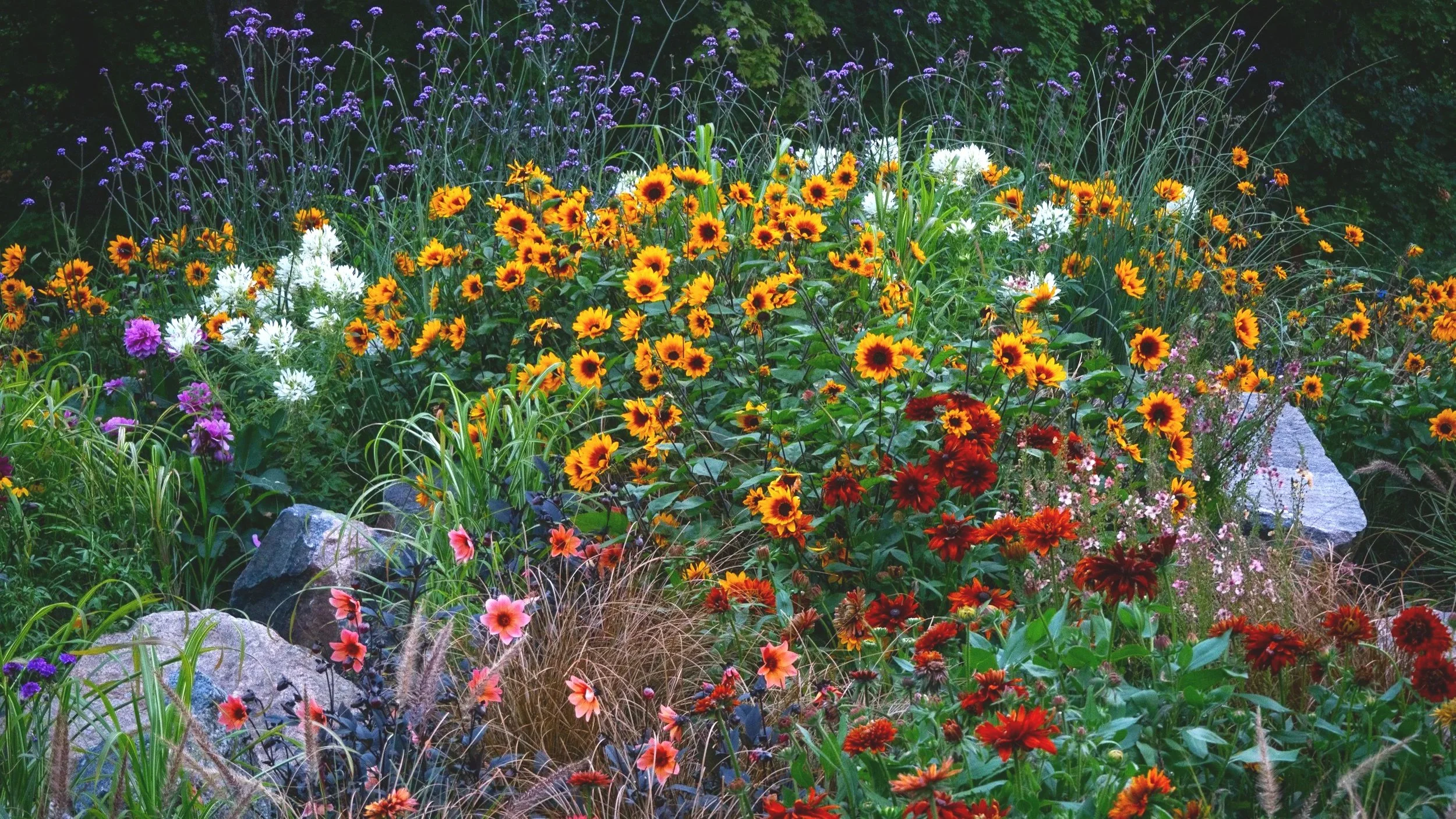
4. Limit Turfgrass Areas
Traditional lawns are among the thirstiest parts of most landscapes and usually require more maintenance through mowing/trimming, fertilizing and re-seeding.
Reduce lawn size by replacing unnecessary turf with:
Native planting beds
Pollinator gardens
Groundcovers
Meadows
Mulched or gravel pathways
Groundcovers such as native Green and Gold
Keep lawn areas only where it serves a purpose, such as child play, recreation or pet areas.
5. Water Efficiently
Even drought-tolerant landscapes need water during establishment and prolonged dry periods.
Best practices include:
Water deeply but less frequently. Plants need roughly one inch of water per week, preferably in one deep watering session rather than multiple sessions.
Water early in the morning.
Use drip irrigation or soaker hoses to both save on water and deliver water directly to the root zones. With drip irrigation, you can also avoid dragging hoses all over the yard conserving some of your own energy!
Avoid overhead sprinklers whenever possible to conserve water and decrease fungal diseases on plant leaves
Use moisture meters to help prevent over or underwatering
Adjust irrigation timing seasonally
Deep watering encourages roots to grow farther into the soil, making plants more drought resistant.

6. Use Mulch
Mulch is one of the simplest and most effective ways to conserve moisture in beds and around plants.
Benefits include:
Reduces evaporation of water
Moderates soil temperature keeping soil cooler in hot summer months
Suppresses weeds
Helps prevent erosion
Adds organic matter to improve soil quality as it decomposes
Apply 2–3 inches of natural mulch around trees, shrubs, and perennial beds, keeping mulch several inches away from trunks and stems.
Popular options for mulch include:
Shredded hardwood mulch
Pine bark
Pine straw
Leaf mulch
7. Maintain the Landscape Properly
Xeriscapes are designed for “low-maintenance” but are definitely not “no-maintenance”.
Routine care includes:
Pruning as needed
Removing weeds before they go to seed and spread
Refreshing mulch annually and as needed after heavy storm runoff
Monitoring new plantings during periods of drought
Fertilizing sparingly using natural fertilizers such as fish emulsion if using non native species
Replacing plants that consistently struggle in your landscape
As the xeriscaped landscape matures, maintenance generally decreases while drought tolerance improves.
Work With Nature, Not Against It
You've probably heard of the phrase “Work Smarter, Not Harder” which is a core tenet that certainly applies with starting to transform your landscape using the fundamentals of Xeriscaping. Although a few of our Birch Meadow Garden Care clients have either designed or re-designed their entire landscape using xeriscaping principles, several others have more slowly implemented these principles within their existing gardens. Xeriscaping doesn't have to be an all or nothing venture, and yards can be transformed over time.
Small changes can have a big impact. Starting first with an overall plan and then tackling one area or project at a time is often much more feasible as well as affordable. You might replace one section of a struggling or high maintenance lawn with native perennials, add compost and mulch to existing beds, install a drip irrigation system, or swap out high-maintenance shrubs as they age.
Each and every improvement makes your landscape a little more resilient while reducing the amount of water and maintenance it requires.
Do you live in the Durham/ Chapel Hill/ Hillsborough area and need some ideas for starting to transform your gardens and landscape with Xeriscaping? We are happy to help! Just give us a call at (919) 224-9697 or email us at admin@birchmeadowgc.com