Help our NC Summer Pollinators Beat the Heat!
What Makes Pollinators Struggle with High Temperatures
Pollinators such as native bees, butterflies, moths, beetles, and hummingbirds rely on flowering plants for nectar and pollen. Most flowers in periods of extreme heat produce less nectar as bloom times may shorten and our typical dry/clay soil can reduce the availability of resources most pollinators need to thrive and survive.
Most native bee species are active throughout the summer and need to continue gathering food to support their developing larvae. Butterflies and other insects also require reliable nectar sources to fuel their daily activities and reproduction. Hummingbirds need natural nectar or supplemental feeders and water to survive the heat.
By helping to support pollinators to endure the stress of summer heat and drought, our local gardeners contribute to healthier local ecosystems and more resilient landscapes.
Here’s what YOU can do to help:
Provide Continuous Blooms
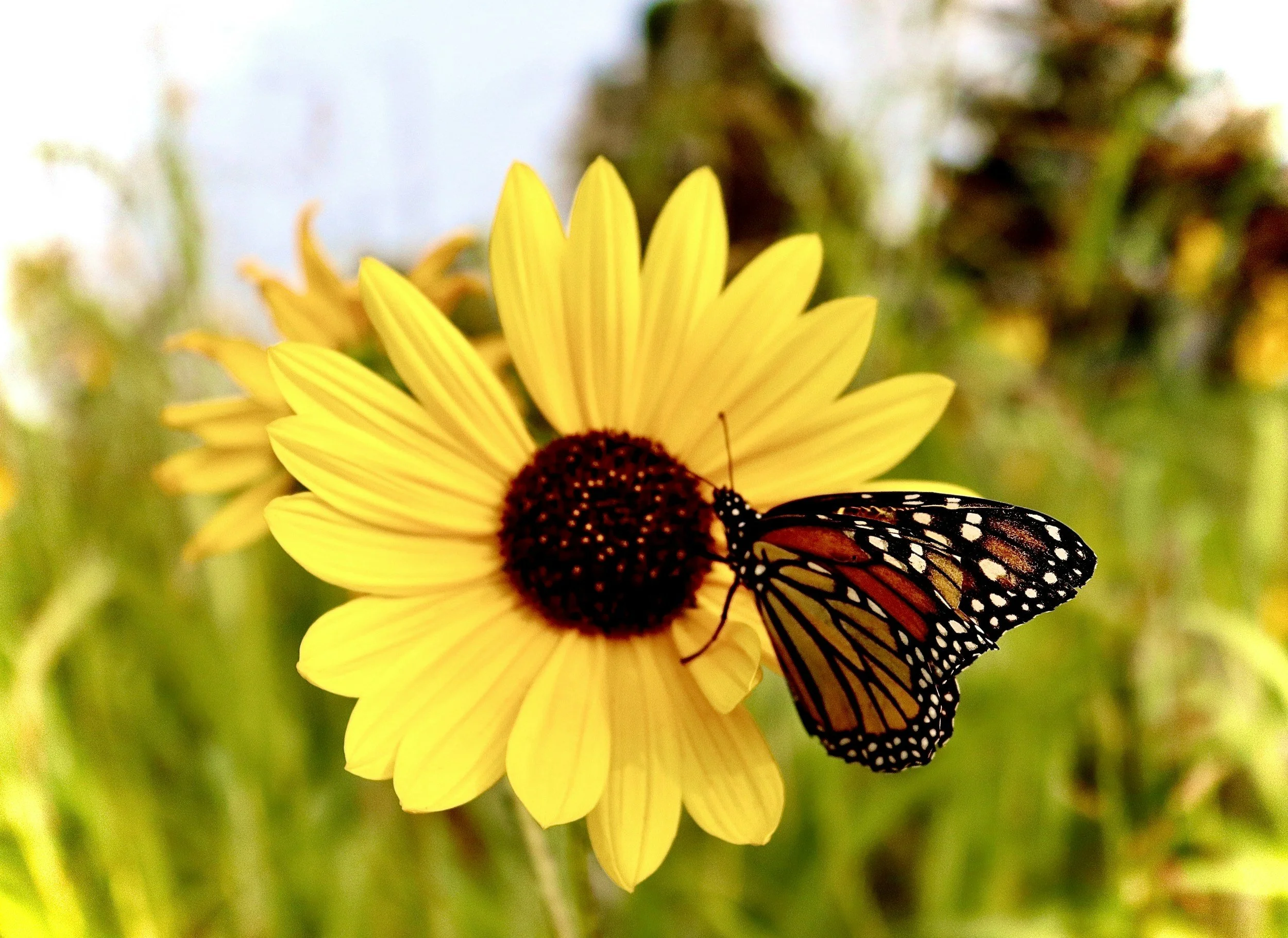
At Birch Meadow Garden Care, we highly encourage our clients to plant Native Summer Blooming plants not only to enjoy summer color, but because it is one of the most valuable ways to support our pollinators as native plant species allow for better compatibility with our local pollinator species.
According to the NC Extension Service, the Top 4 Native Summer Bloomers for Pollinators are:
Mountain Mint (Pycnanthemum muticum): The ultimate pollinator magnet! While the flowers are relatively small, its silvery bracts teem with hundreds of native bees, predatory wasps, and butterflies all summer long. It is also exceptionally deer-resistant.
Butterfly Weed (Asclepias tuberosa): The perfect choice for the baking summer sun in the Triangle area of North Carolina. This bright orange milkweed grows beautifully in dry Piedmont clay, acting as an essential monarch butterfly host plant.
Blazing Star (Liatris spicata): Highly resilient to NC heat and humidity. It’s vibrant purple flowering spikes last from July through August, attracting bumblebees and butterflies.
Purple Coneflower (Echinacea purpurea): A Piedmont staple that blooms from June through frost. It tolerates clay and dry spells as well, feeding bees and butterflies.
Others include
Joe-Pye Weed (Eutrochium fistulosum)
Swamp Milkweed (Asclepias incarnata):
Cardinal Flower (Lobelia cardinalis)
Purple Bee Balm (Monarda fistulosa
Black-Eyed Susan (Rudbeckia hirta
Ironweed (Vernonia spp.)
DIY Butterfly Puddling Station
Offer a Reliable Water Source
Pollinators need water as well as that sweet nectar!
Add one or more shallow decorative birdbaths, and/ or several shallow saucers filled with fresh water, (no sugar water in these!), throughout your gardens for hummers and other birdlife. To provide a safe drinking spot,(s) for bees, add small pebbles or stones as landing areas where bees, butterflies and moths can rest without drowning.
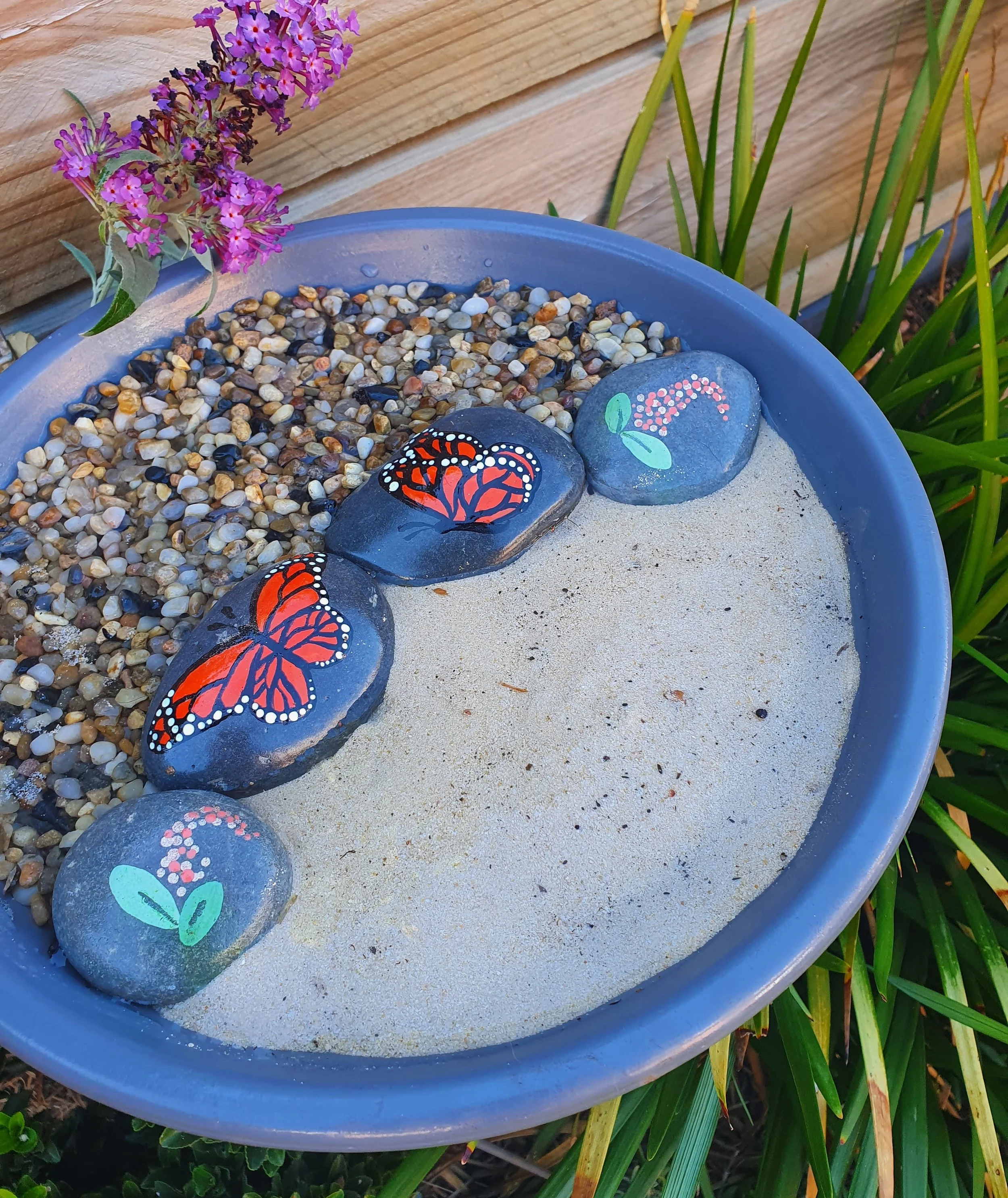
For the ultimate Butterfly watering station, create a mini “Butterfly Beach” or “Puddling Station” by adding course play sand to a medium to large shallow dish or saucer, and add just enough water to thoroughly wet the sand and have the water barely puddle on top of the sand, (picture a wet beach at low tide). For an extra boost of sodium that butterflies and moths crave this time of year, add a pinch of salt spread across the wet sand. If extra water/ rain starts gathering over sand, just tip it slightly to remove excess water. Can add more salt when you add/refresh your “beach” water to keep moist.
WIth all these watering station ideas, be sure to refresh water every 2 to 3 days to prevent deadly bacteria buildup and mosquito reproduction.
Reduce Summer Stress on Plants
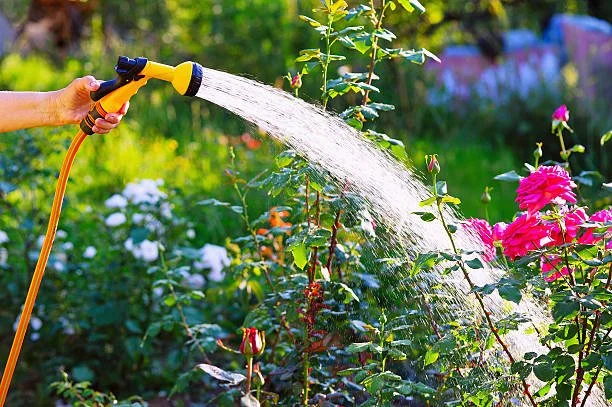
Healthy plants produce more nectar and pollen thus providing more of the raw material and energy that pollinators need and crave. Keeping up with a watering schedule when necessary by providing deep watering less frequently rather than trying to provide more shallow, frequent or “quick” watering will promote proper root health. Ideally water in the morning between 6-9, and if not possible, wait until late afternoon/ early evening when peak heat is waning. Avoid wetting leaves, foliage and flower heads while watering around the base of plants whenever possible, especially if you can only water towards evening hours. If possible, have drip irrigation installed to save on the amount of water you need to use and prevent splashing water on leaves which can cause fungal and bacterial infections.
Mulching garden beds helps to keep soil temperatures in check, conserve moisture, and support soil organisms that contribute to overall plant health. Maintaining a 1-2” layer of natural mulch around native perennials can significantly reduce drought stress during the hottest months.Just make sure the base of plants aren't “smothered” and have some breathing room.
Made in the Shade
As part of our philosophy as a Garden Maintenance company focused on sustainable and native landscapes, we encourage our clients to keep at least a small part of your property on the “Wild Side”. Letting some area(s) fill in with native perennials and grasses that are left alone without deadheading or too much interference, along with some layers of vegetation will provide some natural cover and shade for butterflies and beneficial insects during the summer heat.
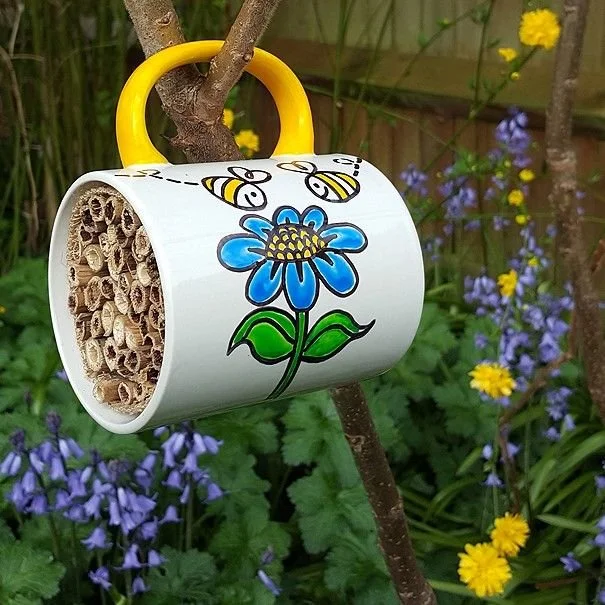
An area with a little less manicuring and even some bare spots in the soil furthermore helps provide nesting spots for bees. You can also make a simple DIY Bee Hotel or two! For additional shelter for native varieties such as Mason, Leafcutter and Sweat Bees, make a simple Bee Hotel with old coffee cups, tin cans, old birdhouse frames, etc. along with Cardboard Bee tubes you can order online. These types of bees in particular like to lay their larvae in the tubes and they hatch some months later. Just be sure to hang them in the shade to create a cooler spot for developing larvae.
Avoid Harmful Sprays
Even Organic or Biological insecticides, herbicides, fungicides and deer/animal repellants can be harmful to pollinators if not used properly. While often necessary in the summer heat, only spray on plants that absolutely need it and avoid all areas around any buds or blooming flowers to keep pollinators from being harmed or damaged. Avoid evening overhead watering. Maintain proper air circulation around plants. Use integrated pest management practices such as hand-removal of pests, and encouraging natural predators such as Ladybugs, Green Lacewings and Hover Flies.
Protect and Nourish the Hummers
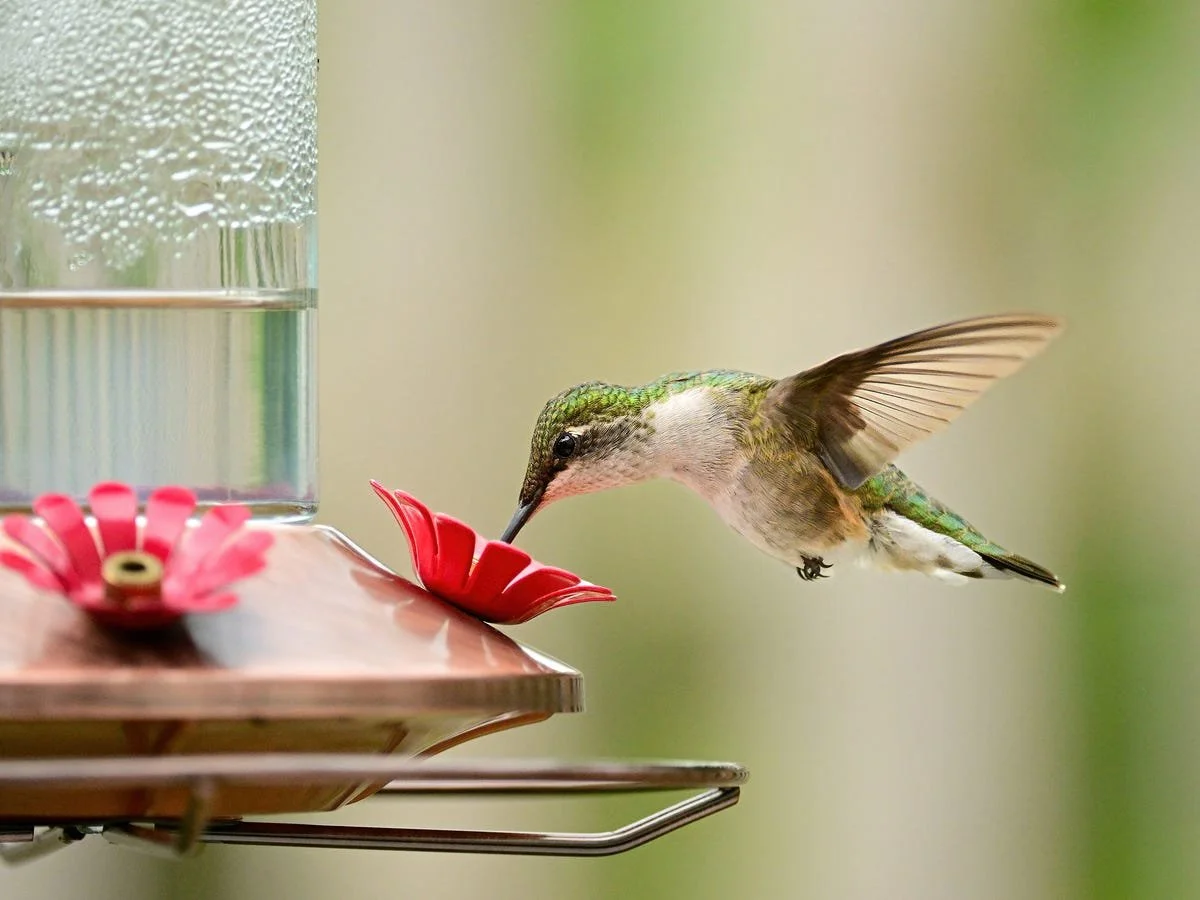
In Summer heat with consecutive days over 85 degrees, it is important, (imperative even!), to clean out and refill hummingbird feeders every other day to avoid fermentation. Sugar water in high heat will ferment at a rapid pace causing toxic mold and spoilage to occur. Feeders should be rinsed out thoroughly with hot water and a bottle brush before re-filling. For any mold growth or build up, vinegar water can be used for a more thorough clean. Do NOT use any soaps or detergents as they can leave a harmful residue. Also remember to ONLY use white refined sugar as unrefined sugars can cause liver toxicity in Hummingbirds. Keep feeders in as much shade as possible to help reduce rapid fermentation as well as stress on active feeding birds. If any feeders have to be in the afternoon sun, consider adding a Shade dome or use shade dome type feeders to help with at least some shade.
Minor Adjustments Can Lead to Big Transformations!
Supporting pollinators during the summer heat doesn't require a complete landscape or garden overhaul. While layered landscapes that include trees, shrubs, grasses, and flowering perennials are generally more resilient than landscapes which are dominated by turf grass, simply adding native pollinators to existing gardens or in new in-ground beds, raised beds or decorative patio pots can help achieve small but lasting changes.
Planting more natives, providing water, reducing pesticide use, and preserving natural habitat features can help pollinators thrive even during North Carolina's hottest months.
As gardeners, we have the opportunity to create landscapes that are not only beautiful but also support the countless bees, butterflies, and other pollinators that make healthy ecosystems possible and keep all our gardens Buzzing!