Piedmont NC July Gardening: Your Sustainable Summer Checklist
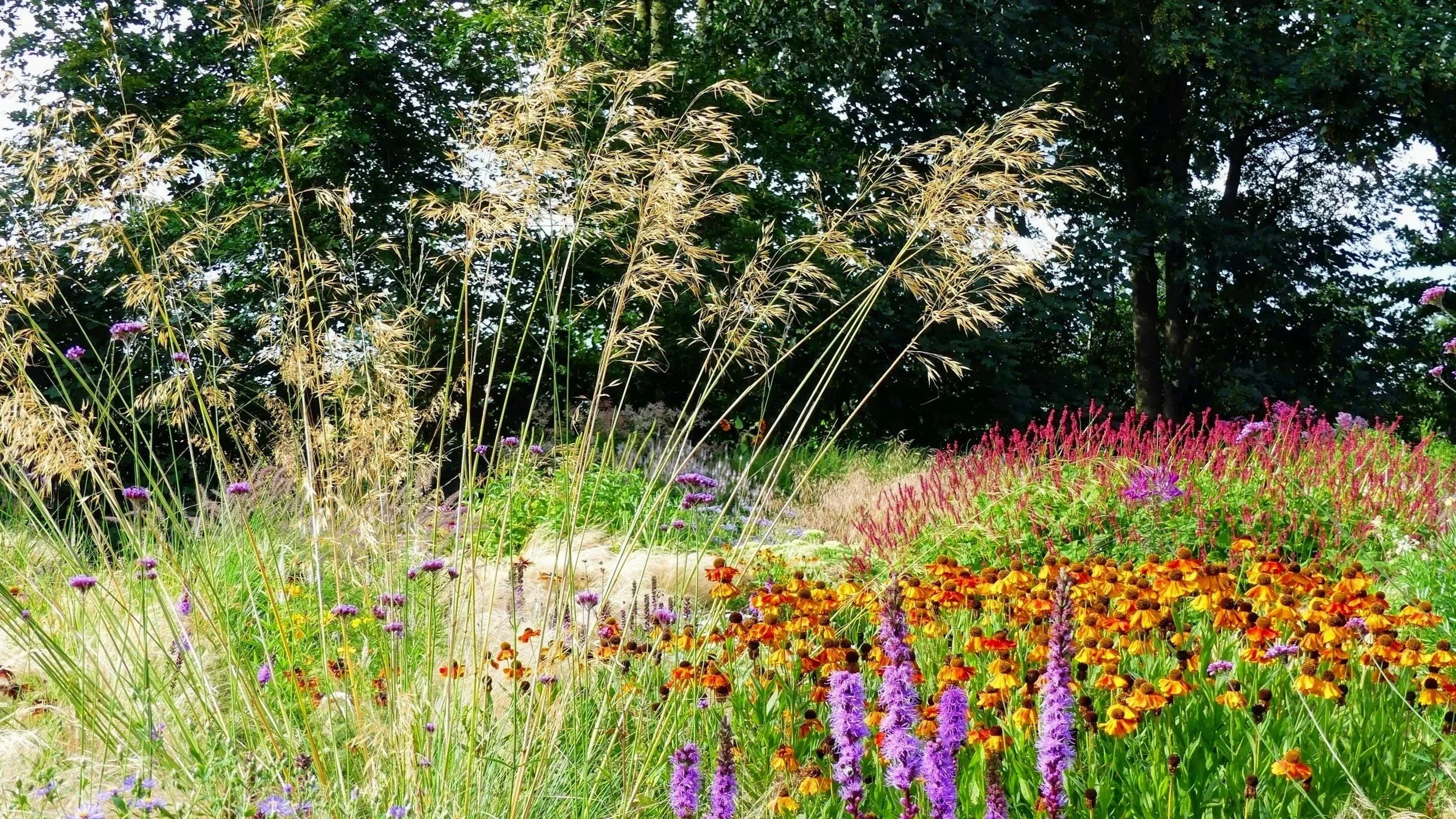
July is typically the hottest month in the Triangle area of NC’s Piedmont Region, with high humidity, scattered thunderstorms/ sporadic rain, and sometimes painful periods of drought. . Garden maintenance during this time should focus on water management, weed control, plant health, and preparation for late-summer and fall success.
💧 Watering & Drought Management 🌧️
Weekly Tasks
Monitor rainfall totals with a rain gauge as most gardens need about 1’ of water per week
Water deeply rather than frequently to encourage deeper root growth, ideally between 6-9 am
Prioritize potted plants or grow bags and newly planted trees, shrubs, vegetables and perennials.
When possible, check soil moisture before watering with a moisture meter especially for potted plants or grow bags as they may need more frequent watering and to avoid overwatering.
Inspect any irrigation systems for leaks and/or clogged emitters.
Adjust irrigation schedules after any heavy rain.
If planting any new plants, provide some temporary shade in afternoon heat to allow for better early root development
🌿Weed Management 🌿
Weekly Tasks
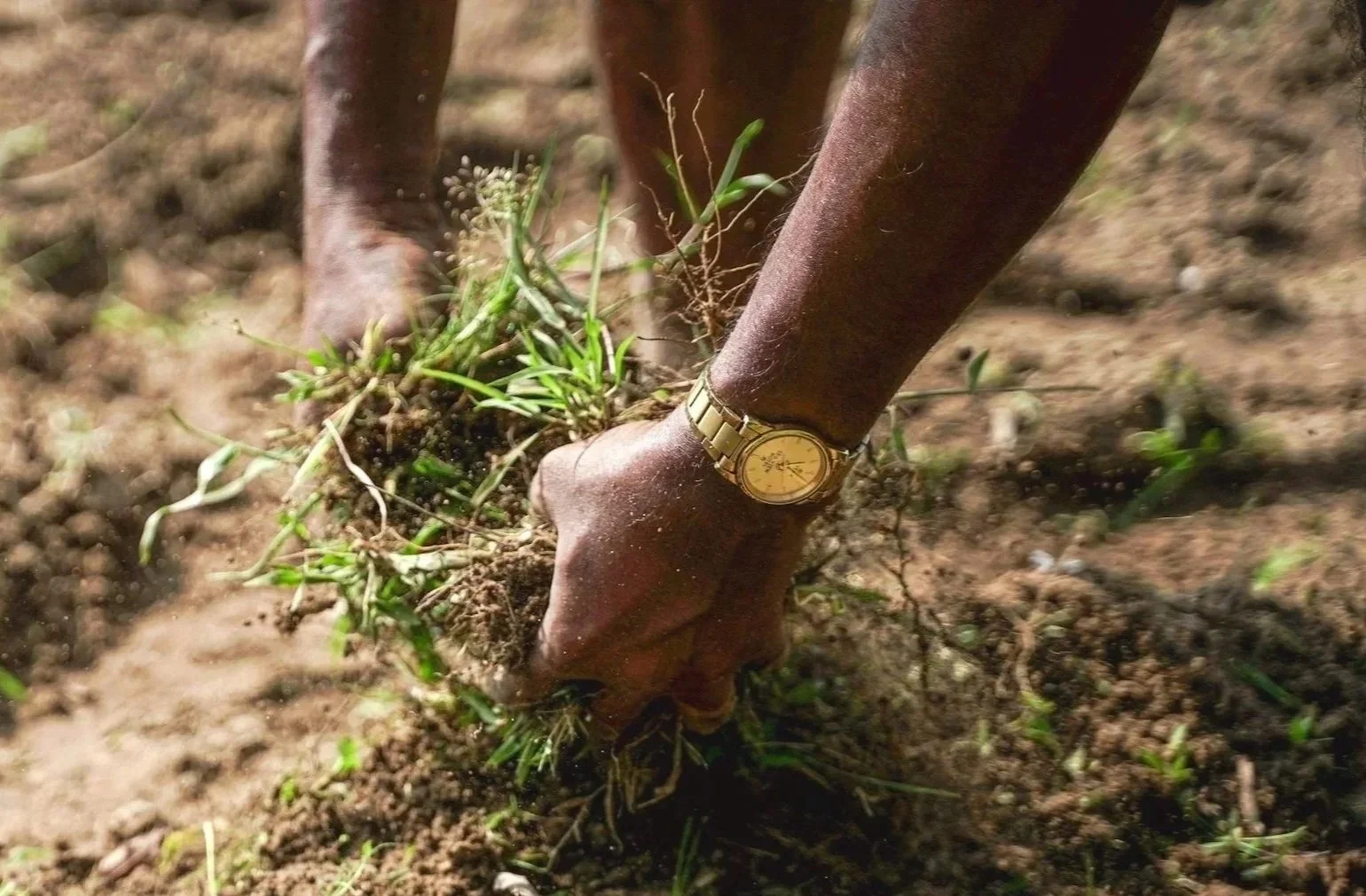
Remove weeds before they flower and set seed.
Ideally, hand-pull any invasive weeds after rain when soil is moist.
Keep an eye out and remove any aggressive summer annual weeds such as:
Crabgrass
Japanese stiltgrass
Mugwort
Spurge
Nutsedge
Virginia Buttonweed
🐝 Pollinator Garden Care 🦋
Native Plant Maintenance
Deadhead spent blooms where appropriate to encourage a second seasonal bloom
Leave some seedheads for birds and beneficial insects.
Water pollinator plants at base of plant to avoid disease during prolonged drought.
Remove or thin any invasive plants/ perennials competing with native pollinator plants.
Excellent July Bloomers to Monitor or Add to Pollinator Gardens
Mountain Mint
Bee Balm
Black-eyed Susan
Joe-Pye Weed
Blazing Star, (Liatris)
🌻 Perennial Garden Maintenance 🌼
General Care
Remove any diseased foliage promptly.
Stake tall perennials to better insure upright growth and withstand summer thunderstorms
Look out for drought stress and leaf scorch, but avoid cutting back to many scorched leaves until hottest months have passed
Cut back spent flower stalks as needed. On native species, cut stems a foot above the ground to provide homes for native pollinators to nest in and winter over.
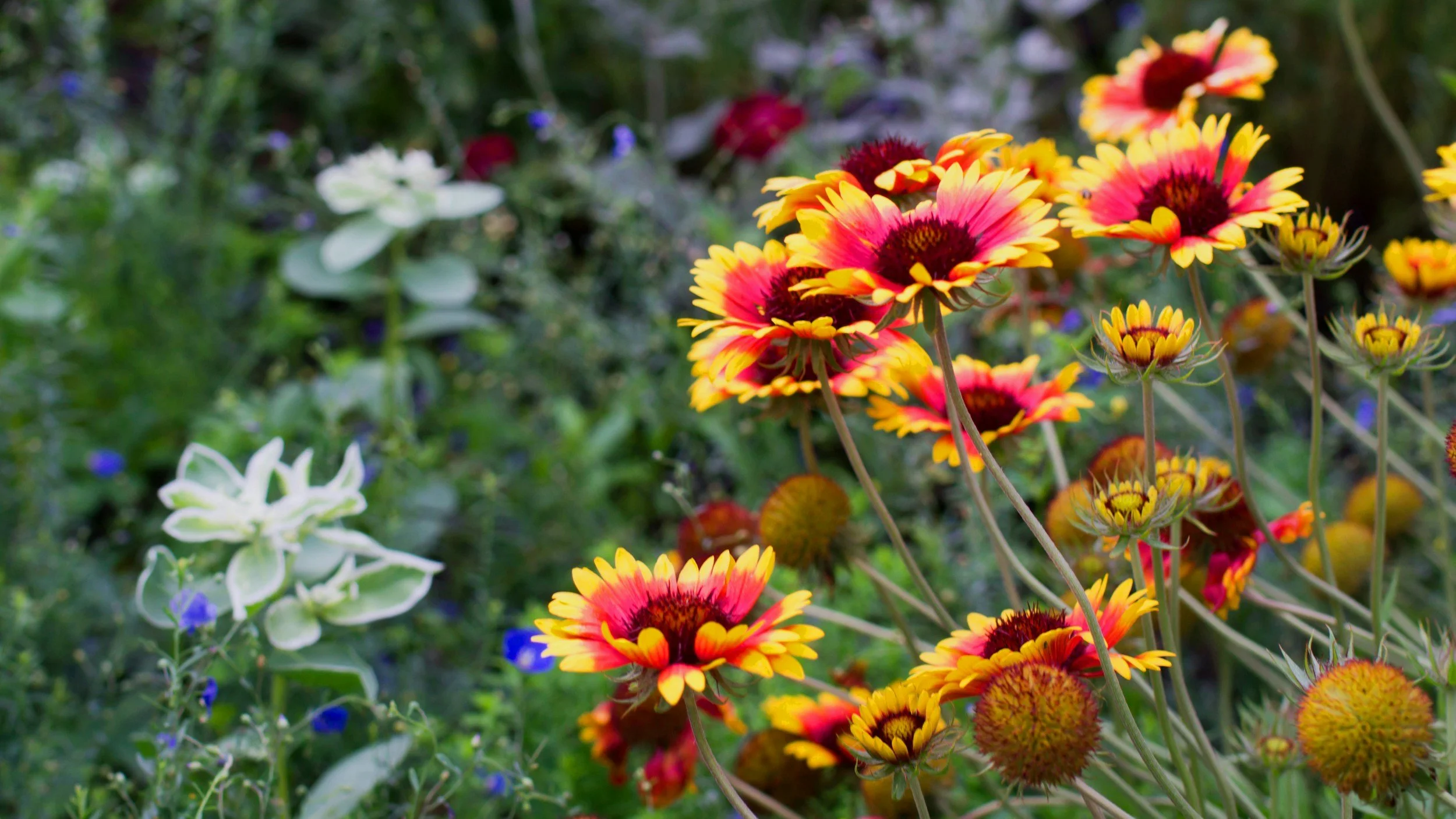
Summer Pruning
Lightly shear:
Coreopsis
Catmint
Salvia
Remove spent flower stems from repeat summer bloomers.
To promote busier growth and more fall blooms, shear or pinch back fall bloomers in early July such as:
Mums
Asters
Tall Sedums, (i.e. Autumn Joy)
Goldenrod
🌳 Trees & Shrubs 🌲
Health Monitoring
Inspect for potential damage after any severe Thunderstorm or Wind event.
Remove broken or hazardous dead branches
Check newly planted, (within the last year) trees weekly.
Check and remove any vines that are climbing trunks and branches
Maintain and slightly expand mulch rings around young trees to retain moisture.
Start planning/ installing trunk protection for any smaller vulnerable trees that are susceptible to damage from Buck Rub in the coming months
Avoid
Heavy pruning during extreme heat.
Most Fertilization as it is best to wait for cooler temps towards Fall.
🌹 Roses & Flowering Shrubs🌹
Continually cut or deadhead repeat-blooming roses.
Monitor and remove black spot-infected leaves.
Thin out any perennials or lightly prune adjacent shrubs to maintain/improve air circulation around plants.
Water deeply at soil level rather than overhead as needed
Remove suckers below graft unions.
🍅 Vegetable Garden🥒
Check Daily and Harvest Frequently
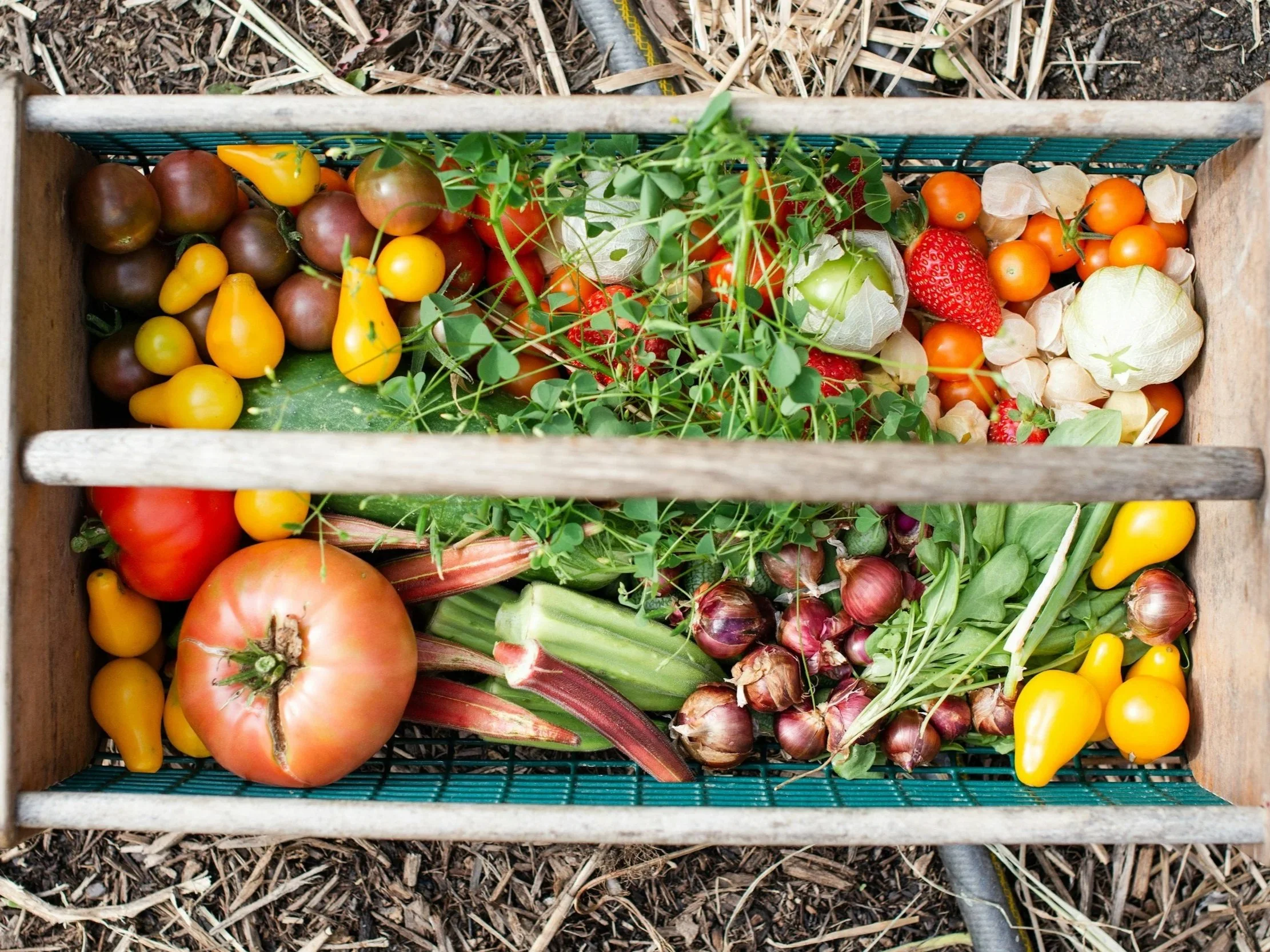
Tomatoes
Peppers
Cucumbers
Squash
Beans
Okra
Disease Prevention
Remove any diseased leaves immediately.
Lightly prune to Improve airflow around tomatoes.
Mulch to retain moisture and reduce splash erosion
Monitor for:
Early blight
Septoria leaf spot, (particularly on Tomatoes)
Powdery mildew
Prepare for Fall Crops
Begin planning for fall vegetable planting.
Start seeds for:
Broccoli
Cabbage
Kale
Collards
Cauliflower
🫐 Fruit Maintenance 🍉
Blueberries
Check daily and harvest regularly.
Never use bird netting as it is deadly to birds, snakes and many other creatures!
Water deeply at base of plants during periods of drought
Figs
Monitor fruit development and harvest when ready to avoid squirrel and bird pilfering as well as insect infestation
Water less established fig trees during drought.
Brambles
Remove any spent raspberry and blackberry canes after fruiting.
Tie up new developing canes.
🐛 Pest Monitoring 🐞
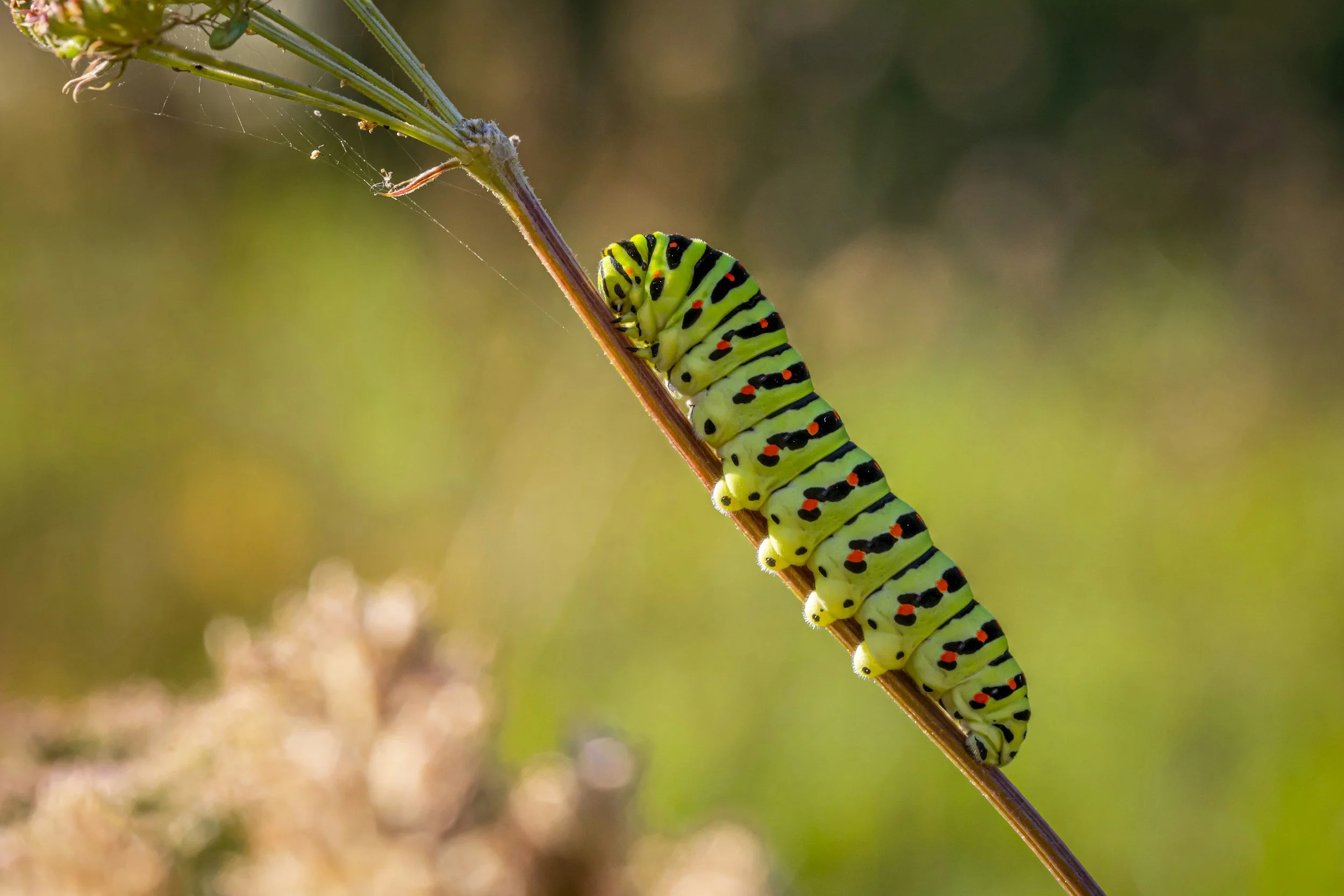
Check Weekly For
Japanese beetles
Tomato hornworms
Squash vine borers
Aphids
Spider mites
Lace bugs
Scale insects
Eco-Friendly Pest Control
Hand-pick pests when practical.
Encourage and support beneficial insects such as pollinators, (bees, butterflies and moths) as well as Predators of harmful pests, (such as Lady Bugs, Green Lacewings and Parasitic Wasps).
Use strong water sprays for aphids and Neem Oil sprays for most other destructive insects
Avoid broad-spectrum insecticides.
🦌 Wildlife Management🐇
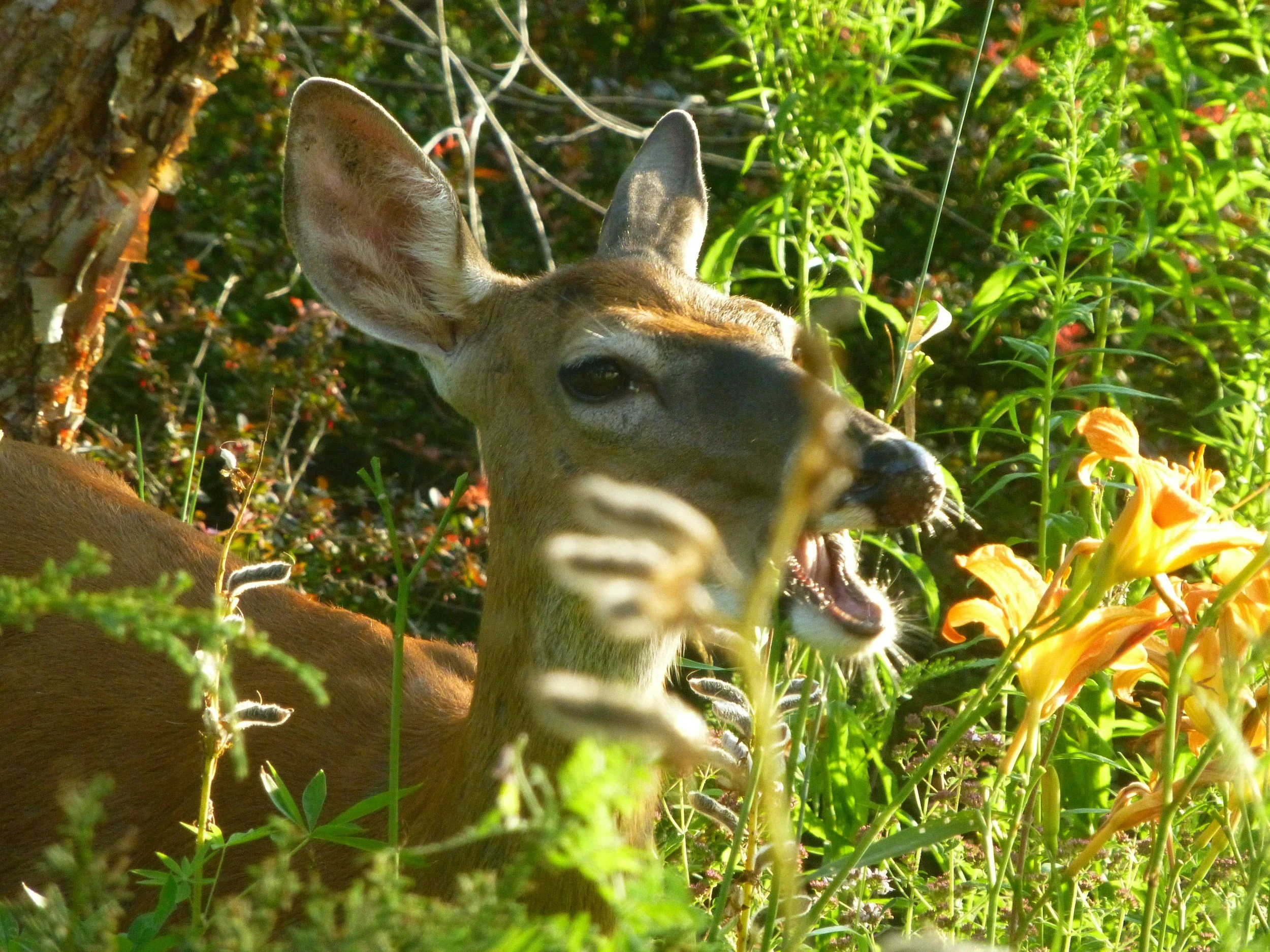
Check deer protection fencing, tree wraps and caging to see if they are in need of repair
Monitor for nocturnal damage on young plants from Rabbits, Racoons, Squirrels, Opossums, Etc. and consider eco friendly deterrents such as solar power "Predator Eyes”
Refresh organic deer and other small animal repellents after rain, and switch formulas or scents regularly for optimal results.
Leave some native seed heads for birds.
🌱 Lawn Care 🍀
Cool-Season Fescue Lawns
Raise mowing height to 3.5–4 inches to allow for better shade and water retention at roots.
Avoid fertilizing until Fall
Water only as needed to prevent dormancy.
Monitor for brown patch disease which particularly thrives in hot humid weather. Neem Oil spray can be an effective treatment for brown patch.
Warm-Season Lawns
Continue normal mowing.
Monitor for drought stress and irrigate as needed.
Consider Alternatives to Traditional Turf Grass
These alternatives may work well in some areas of your lawn, are heat and drought tolerant once established, and can be seeded this fall to get sprouting and root development by Spring of next year.
White Clover
Green and Gold
Pennsylvania Sedge
☠️Avoid Harmful Practices ⚠️
Avoid spraying even organic pesticides, herbicides and deer repellents on or close to flower heads of pollinating plants to keep pollinators welcome and safe
Do not rely on evening overhead watering as it can easily promote blight and fungal diseases
Aggressive pruning as it can cause too much stress during high heat and humidity conditions and may remove next years bud sets on spring flowering shrubs.
Be diligent in replacing any sugar water in hummingbird feeders every other day in temperatures over 85 degrees. Only use refined white sugar in mix, and clean feeders out regularly with water and vinegar as necessary. Never use soap to clean feeders.
For healthy lawn management during high heat, do not cut lawns as frequently or as short as other times of year.
⛈️ Storm Recovery🌬️
After wind and/or thunderstorms:
Pick up fallen branches and limbs from lawn and garden areas
Re-stake any leaning or knocked over plants as necessary.
Inspect for any and all potential drainage issues, (gutters that could overflow into gardens, potentially clogged storm drains, french drains, culverts, etc.)
Repair any areas of erosion as necessary
Remove any damaged foliage, stalks, branches, and limbs.
📋 End-of-Month Planning🗓️
Evaluate plants that struggled the most in heat, and consider relocating or replacing with drought tolerant natives.
Order native plants for any new fall installations and/or additions to existing gardens.
Schedule invasive plant removal projects.
Plan for fall pollinator garden additions to help provide overall health of all garden areas.
Take note and document successful plant combinations and bloom periods.