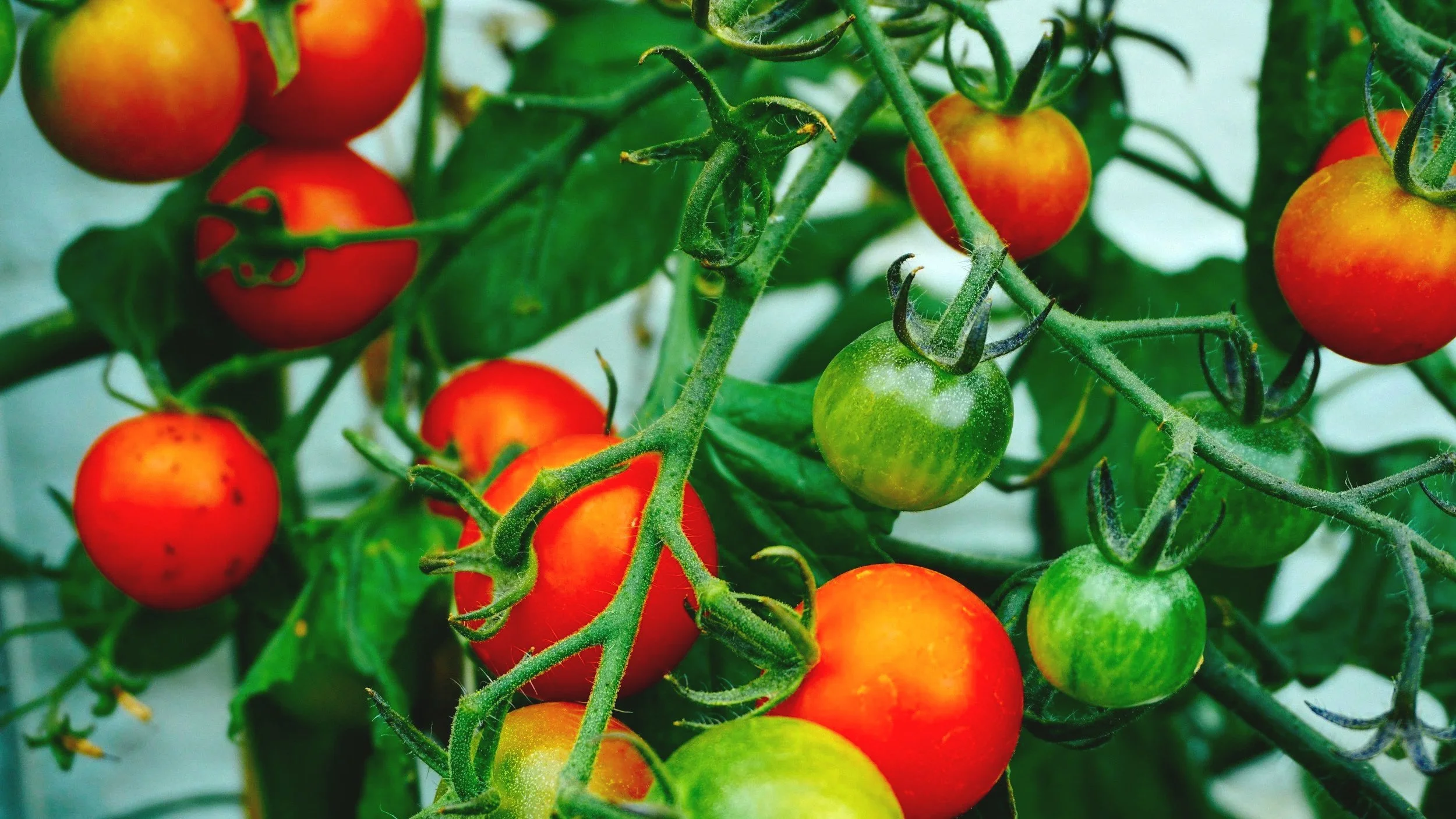
A Comprehensive Gardeners Checklist for August
KEEP CALM AND
CARRY ON
It’s a marathon not a sprint, so continue to keep doing that great work of weeding, watering, harvesting, deadheading, and controlling pests. Start clearing out any fading crops for fall plantings. August is also a great time to start thinking about your fall garden in this growing zone. It’s hard to believe, but Fall is indeed coming. Next month the first day of Fall arrives on Sept. 22nd. Remember Fall is THE best time for planting perennials including bushes and trees! If you are considering adding any new gardens or plants to your yard, reach out to us for recommendations, ideas or a plan so that you’ll be ready to start when the time is right.
🌿 Watering & Drought Management
Water Deeply
Continue to water trees, shrubs, and perennials deeply once or twice per week instead of daily. Plants need an average of one inch of water per week.
Water early in the morning (5–9 a.m.) to minimize evaporation.
Check and prioritize any potted plants and/ or grow bags and use a moisture meter to avoid under or over watering.
Refresh Mulch
Maintain 1-2 inches of mulch.
Keep mulch pulled several inches away from tree trunks and plant crowns to avoid rot
Add mulch where it has worn thin, decomposed or washed away.
Watch for Heat Stress
Signs include:
Wilting despite moist soil
Leaf scorch
Premature leaf drop
Curling foliage
Avoid fertilizing any stressed plants until temperatures moderate.
🌸 Perennial & Pollinator Gardens
Deadhead Selectively
Continue deadheading flowers which will allow plants to use energy reserves for a final flower display.
Deadhead plants such as:
Coneflowers
Black-eyed Susans
Coreopsis
Blanket Flower
Salvia
Leave some seed heads for:
Goldfinches
Native birds
Winter interest
Divide Early Bloomers
After flowering, divide:
Daylilies: Divide every 3-4 years for optimal blooms.
Bearded Iris: Split every 3-5 years to prevent overcrowding.
Continue Supporting Pollinators
August is another busy month for bees and butterflies.
Provide:
Fresh shallow water for bees and butterflies
Bare soil for ground-nesting bees
Bee hotels for leafcutter, mason and sweat bees
Avoid pesticide use whenever possible
🌳 Trees & Shrubs
Inspect Weekly
Look for:
Drought stress
Japanese beetle damage
Spider mites
Scale insects
Bagworms
Leaf spot diseases
Treat only when necessary and avoid spraying any blooming plants.
Young Tree Care
Continue watering newly planted trees.
Check staking and loosen ties if necessary.
Remove suckers and watersprouts.
Install tree guards to avoid buck rub damage where deer have access
Inspect any existing tree guards to adjust for tree growth or damage
Avoid Heavy Pruning
Avoid pruning trees and shrubs since doing so this late in the season can stimulate new growth that will not harden off in time for the cold winter weather ahead. Sap is also running from leaf to root making your trees or bushes more susceptible to disease if pruned at this time of year. Delay pruning until the end of the dormant season in late winter or early spring.
🥕 Vegetable Garden
Harvest Frequently
Continue harvesting:
Tomatoes
Peppers
Eggplant
Cucumbers
Okra
Beans
Melons
Frequent harvest encourages continued production. Remove old plants which have stopped producing to eliminate a shelter for insects and disease organisms
Plant Fall Crops
Direct sow radishes, carrots, beets, turnips, and kale in late August through September.
Sow peas in mid to late August for a fall crop.
Finish starting seeds inside for fall crops like Brussels sprouts, and other heading Brassicas.
Plant a fall crop of potatoes. Try to get them in by the second week of September.
Seeds can again be sown for a late crop of leaf lettuce, mustard greens, Swiss chard, and spinach.
Use shade cloth or consistent watering to improve germination during hot weather.
🍓 Fruit Garden
Remove old raspberry and blackberry canes after harvest. Leave only three to four young canes per foot of row. Wait until spring to prune back shoot tips.
Continue monitoring grapes and fruit trees for disease and insect issues.
Pick ripe fruit promptly to discourage pilfering by insects and wildlife.
🌼 Annual Flowers
Keep blooming annuals thriving by:
Deadheading spent flowers
Fertilizing container plants lightly if still blooming
Checking containers daily for water
Watching for spider mites on stressed plants
🌱 Weed Control
August is an excellent month to remove:
Japanese stiltgrass
Crabgrass before seed develops
Chamberbitter
Spurge
Nutsedge
Tree seedlings
Do not allow invasive weeds to go to seed.
Continue monitoring for invasive plants such as:
English ivy
Chinese privet
Japanese honeysuckle
Kudzu
Tree-of-heaven
🐝 Wildlife & Pollinators
Keep your garden wildlife-friendly by:
Leaving some flowers to produce seed
Refilling bird baths no less than every third day
Cleaning and refilling hummingbird feeders every 2–3 days
Leaving a few areas of leaf litter undisturbed
Avoiding any pesticide applications during bloom. It’s better to remove damaging insects by hand.
🌱 Compost
Turn compost piles if moisture levels are adequate.
Water dry compost lightly.
Add spent annuals (without disease).
Continue layering green and brown materials.
📅 Plan Ahead for Fall
Now is the perfect time to prepare for fall renovation:
Test your soil to determine what amendments it may need
Order seeds
Sow seeds for any crop covers
Order native plants
Plan new pollinator beds
Purchase spring-flowering bulbs before supplies sell out
Schedule September planting projects
Evaluate irrigation needs going forward
Take notes on plants that struggled during summer heat