5 Garden Problems to Prevent Before Winter
5 Garden Problems to Prevent
Before Winter
Simple steps for healthier gardens in North Carolina's Piedmont
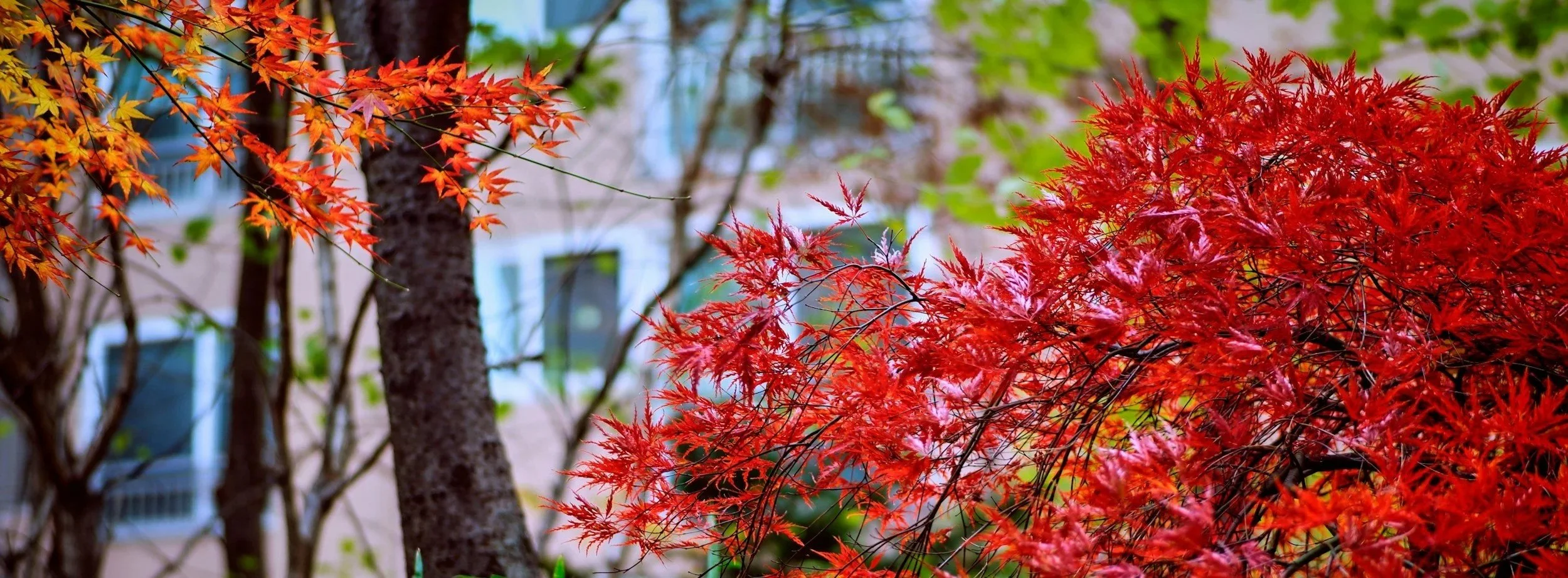
November is a wonderful time to enjoy the cooler temps, “sweater weather”, hot cider, a firepit or patio heater, and the last of the fall color. It’s also a good time to give your garden a little extra attention before winter arrives. Here in the Piedmont Region of North Carolina, our winters are generally mild, but have unpredictable temperature swings, occasional hard freezes, and periods of either too wet or too dry weather conditions that can create challenges for our plants.
Fortunately, a little thoughtful garden maintenance now can help prevent bigger headaches come spring.
1. Don't Let Plant Diseases Spend the Winter in Your Garden
Many common fungal diseases can survive winter on infected leaves and plant debris, only to return when temperatures warm up in spring. Roses with black spot, peonies with botrytis, (Peony Blight), and other disease-prone plants benefit from a little selective fall cleanup. It’s best to remove visibly diseased foliage and dispose of it rather than leaving it around susceptible plants. But don't feel obligated to cut everything down! Healthy perennial stems and leaves can provide valuable winter shelter for beneficial insects and other wildlife.
2. Get Ahead of Winter Weeds
While many of our garden plants are slowing down, winter annual weeds are just getting started. Ugh! Chickweed, henbit and purple deadnettle, as well as hairy bittercress thrive during our cooler Piedmont months and can quickly become a nuisance by early spring. November is an excellent time to remove young weeds before they establish strong roots or eventually produce seeds. One cannot assume these types of weeds will just die off in the cold of winter. Making sure to spend some time weeding now can save a surprising amount of work later.
3. Beware of Too Much Mulch
Mulch is a wonderful garden tool, but more isn't necessarily better. Heavy layers of mulch can trap excessive moisture around plant crowns and tree trunks, encouraging rot and other problems. Keep mulch a few inches away from trunks and plant stems and aim for roughly 2–2.5 inches of total depth around most established trees and shrubs, using less around sensitive perennials. And remember, fallen leaves can make for an excellent natural mulch! There's no need to cover every inch of your garden with fresh shredded hardwood.
4. Don't Forget to Water!
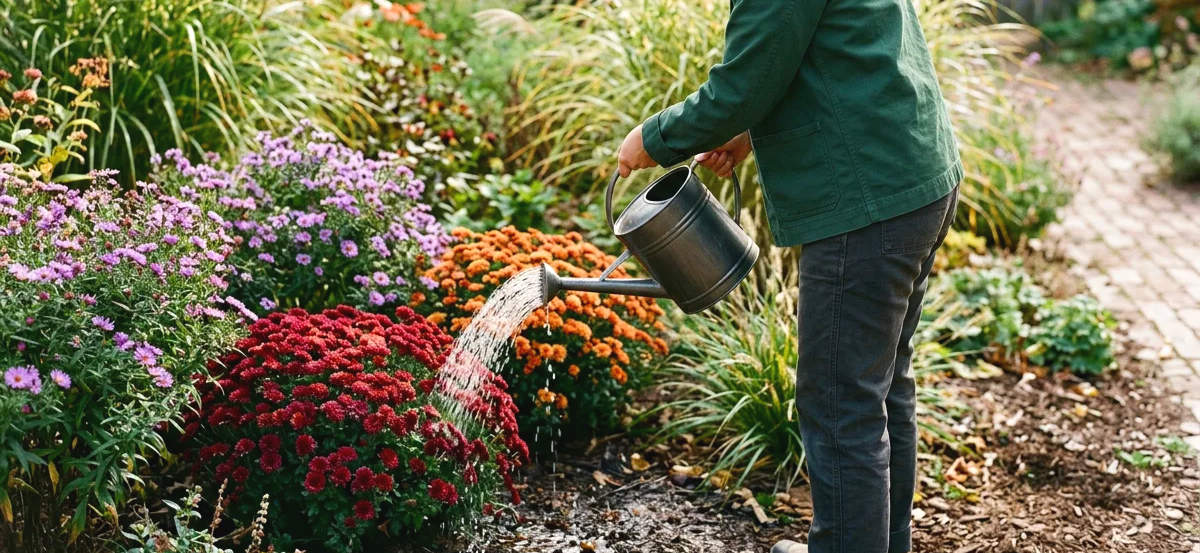
How many of us, once the weather gets cooler, forget to water our plants? The heat of Summer tends to stress the plants to where they will let us know if we have fallen behind on watering. But dry fall weather can leave plants stressed heading into colder temperatures as well, even if it may not be as obvious to us. Evergreens are especially vulnerable because they continue losing moisture through their foliage during winter, even when the ground is cold. Newly planted trees, shrubs, and perennials also need consistent moisture while establishing roots. Best bet is to check the soil moisture during dry spells and water deeply when needed, preferably before an extended freeze. Just be careful not to overwater—cold, soggy soil can create problems of its own. Intermittent watering in between rainfalls should be the best approach.
5. Put Down Those Hedge Trimmers!
One of the most common fall gardening mistakes is pruning at the wrong time. Spring-flowering shrubs such as azaleas, bigleaf hydrangeas, and many camellias have already formed the buds that will produce next year's flowers. A hard pruning of them now can mean sacrificing those blooms. Heavy pruning can also encourage tender new growth during warm spells, leaving it vulnerable to winter damage.
For most healthy shrubs, major pruning is better postponed until the appropriate season. November is a good time to remove dead or damaged branches, and some light hand- pruning is ok for most shrubs. We have a fun term here with our Birch Meadow team of gardeners in that we often encounter shrubs with some wild growth that extends well beyond the natural shape of the shrub in question. We call them “Sticky Ups”. Sounds very British, yeah? All to say, its all good and well to prune the “Sticky Ups”.
A Little Prevention Goes a Long Way
The best fall garden maintenance isn't necessarily about doing more. Sometimes it's about knowing what needs attention and what can safely be left alone. Here in our service area of Durham, Chapel Hill, and Hillsborough NC, a thoughtful approach to winter preparation can mean healthier plants, fewer pest and disease problems, and a more vibrant garden when spring finally returns.
And perhaps best of all, it gives us a good excuse to spend a few more beautiful November afternoons in the garden. Gardening is LIFE. Yay!